You Won't Age Like Before: My Real Talk on Movement and Staying Young
Aging doesn’t have to mean slowing down. I’ve learned that the right movement can transform how you feel, look, and live—no magic, just smart choices. After years of trial and error, I discovered practical exercise techniques that support longevity, energy, and strength. This isn’t about extreme workouts; it’s about consistency, form, and habits that truly work. Let me share what changed everything for me. The truth is, aging gracefully isn’t luck. It’s strategy. And movement is the most powerful tool most of us overlook—until it’s too late.
The Truth About Aging and Why It Feels Unfair
Many people accept aging as an inevitable decline—more aches, less energy, shrinking independence. But what if much of that isn’t due to age at all, but to inactivity? Chronological age, the number of birthdays you’ve celebrated, is fixed. But biological age—how old your cells, organs, and systems function—can be influenced by lifestyle. Studies show that people who stay physically active often have biological ages up to 10 years younger than their chronological ones. This gap reveals a powerful truth: how you move (or don’t move) plays a bigger role in aging than genetics alone.
The real danger isn’t aging—it’s sedentary living. Sitting for long hours slows circulation, weakens muscles, and disrupts metabolic health. Over time, this contributes to insulin resistance, joint stiffness, and increased inflammation—all markers of accelerated aging. The body adapts to what it does most. If that’s sitting, it begins to believe movement is optional. That’s why so many women in their 40s, 50s, and beyond feel like their bodies are betraying them. But the betrayal isn’t from within; it’s from routine.
One of the most persistent myths is that it’s “too late” to start. Yet research consistently shows that adults who begin exercising in midlife still gain significant benefits. Muscle strength, balance, and cardiovascular health can improve even when training starts after 60. The body remains adaptable throughout life. The key is not intensity, but consistency. It’s not about how fast you move, but that you move at all. And the earlier you shift your mindset—from seeing exercise as punishment to viewing movement as self-care—the more control you reclaim over how you age.
Movement as Medicine: How Your Body Responds Over Time
Exercise is not just about looking better in jeans or fitting into a dress. It’s a biological signal that tells your cells to stay young, active, and resilient. When you move, especially through full ranges of motion, your muscles contract and release, stimulating blood flow and delivering oxygen to tissues. This simple act triggers a cascade of health benefits at the cellular level. Mitochondria—the energy powerhouses inside your cells—become more efficient. Inflammation, a key driver of chronic disease and aging, begins to decrease. Even your DNA responds positively.
One of the most fascinating discoveries in longevity science is the role of telomeres—protective caps at the ends of your chromosomes. Every time a cell divides, telomeres shorten. When they get too short, cells can no longer divide and become senescent, contributing to aging and disease. But studies show that people who exercise regularly have longer telomeres than their sedentary peers. This doesn’t mean exercise stops time, but it does suggest that consistent movement helps preserve cellular youth. It’s like giving your body a maintenance tune-up from the inside out.
Even moderate activity—like walking, gardening, or climbing stairs—activates anti-aging pathways. These activities improve insulin sensitivity, helping regulate blood sugar and reduce fat storage. They also support brain health by increasing blood flow and stimulating the release of neuroprotective chemicals. Over time, these small effects compound. A daily 20-minute walk doesn’t just burn calories; it helps protect memory, stabilize mood, and strengthen the heart. Movement isn’t medicine in the traditional sense, but its effects are just as powerful—if not more so—than many prescriptions.
The beauty of movement as medicine is that it doesn’t require perfection. You don’t need to run marathons or lift heavy weights to benefit. What matters is regularity. Just as brushing your teeth every day prevents decay, moving your body daily prevents functional decline. The goal isn’t to become an athlete. It’s to remain independent, strong, and capable—well into your later years. And that starts with understanding that every step, stretch, and squat is an investment in your future self.
The 4 Movement Types That Actually Fight Aging
If you want to slow the effects of aging, not all exercise is created equal. The most effective approach combines four key types of movement: strength training, mobility work, aerobic conditioning, and balance practice. Each plays a unique and essential role in maintaining function, vitality, and independence. Think of them as pillars supporting a strong, resilient body. Skip one, and the structure becomes unstable. Include all four, and you build a foundation that can last decades.
Strength training is critical because it preserves muscle mass. After age 30, adults lose 3 to 5 percent of muscle per decade—and that loss accelerates after 60. Less muscle means slower metabolism, weaker bones, and higher risk of falls. Strength training counters this by stimulating muscle growth and improving bone density. It doesn’t require a gym or heavy weights. Bodyweight exercises like squats, lunges, and modified push-ups are effective and safe when done with proper form.
Mobility work focuses on maintaining joint health and range of motion. Unlike static stretching, which only lengthens muscles, mobility involves active, controlled movement through full ranges. This keeps joints lubricated, reduces stiffness, and improves posture. Simple practices like shoulder circles, hip openers, and spine articulation can make everyday movements—like bending, reaching, or turning—easier and safer. Mobility isn’t about touching your toes; it’s about moving without pain.
Aerobic conditioning supports heart and lung health. Activities like brisk walking, cycling, or swimming increase circulation, improve endurance, and help regulate blood pressure and cholesterol. The American Heart Association recommends at least 150 minutes of moderate aerobic activity per week for adults. But even shorter, more frequent sessions—like three 10-minute walks—can deliver benefits, especially when done consistently.
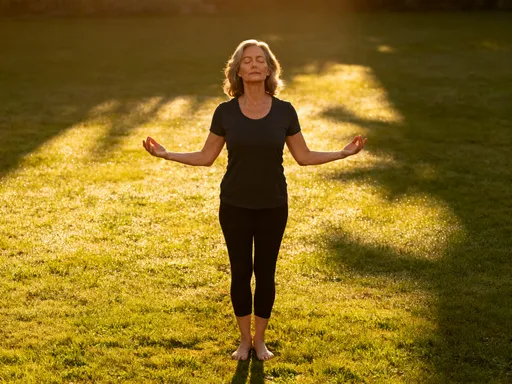
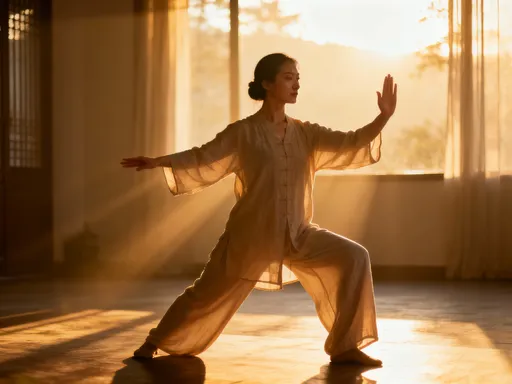
Balance practice is often overlooked, yet it’s one of the most important predictors of longevity. Poor balance increases fall risk, which can lead to fractures and loss of independence. Simple exercises like standing on one leg, heel-to-toe walking, or tai chi improve stability and coordination. These don’t take much time but can make a dramatic difference in confidence and safety, especially as you age.
The good news is you don’t need hours in the gym to incorporate all four. A balanced routine might include 20 minutes of strength work two to three times a week, daily mobility drills, daily walks, and balance exercises done during TV commercials or while brushing your teeth. The key is consistency, not complexity. Small, regular efforts create lasting change.
Strength Training Without the Gym: Simple, Sustainable Methods
Strength training is one of the most powerful anti-aging tools, yet many women avoid it out of fear—fear of injury, fear of bulking up, or fear of not knowing how to start. But building strength doesn’t require heavy lifting or a gym membership. It starts with resistance, and that can come from your own body weight, resistance bands, or even household items like water bottles or backpacks. The goal isn’t to look like a bodybuilder; it’s to stay strong enough to carry groceries, climb stairs, and play with grandchildren without pain or fatigue.
Bodyweight exercises are an excellent starting point. Squats, for example, mimic the motion of sitting and standing—a movement used dozens of times a day. Doing them slowly and with control strengthens the legs, glutes, and core. Lunges improve balance and coordination while building lower-body strength. Modified push-ups (done against a wall or countertop) strengthen the arms, chest, and shoulders—key areas for maintaining independence. These exercises can be done in a small space, require no equipment, and can be adjusted to any fitness level.
Resistance bands are another versatile tool. They provide variable tension, meaning they get harder the more you stretch them. This makes them ideal for building strength gradually. Bands can be used for rows, presses, and leg lifts, targeting major muscle groups safely. They’re lightweight, affordable, and easy to store—perfect for home workouts or travel. Plus, they reduce joint stress compared to free weights, making them ideal for those with arthritis or joint concerns.
Proper form is more important than how much you lift. Moving slowly and with control ensures muscles—not joints—do the work. For example, in a squat, focus on keeping your chest up, knees tracking over toes, and lowering as if sitting into a chair. If form breaks down, reduce the range of motion or take a rest. Frequency matters more than intensity. Two to three strength sessions per week, lasting 20 to 30 minutes, are enough to see results over time.
Progression is key to continued improvement. Once an exercise feels easy, increase the challenge—add more reps, slow the tempo, or use a heavier band. Track progress not by the mirror, but by function: Can you stand up from the floor more easily? Carry heavier bags? Climb hills without getting winded? These are real signs of strength. And unlike crash diets or extreme workouts, strength training delivers lasting results—because it builds capability, not just appearance.
Mobility Over Flexibility: Why Moving Well Beats Stretching
Many people equate flexibility with fitness—thinking that being able to touch their toes means they’re healthy. But flexibility is only one piece of the puzzle. Mobility—the ability to move joints through their full range with control—is far more important for daily function. You can be flexible lying on a mat, but still struggle to get up from a chair or reach into a high cabinet. That’s because flexibility doesn’t guarantee strength or coordination through movement.
Mobility combines strength, flexibility, and neuromuscular control. It’s what allows you to bend, twist, and reach with ease and safety. Poor mobility leads to stiffness, poor posture, and increased injury risk. And the biggest culprit? Sitting. Hours in chairs shorten hip flexors, weaken glutes, and round the shoulders—creating movement patterns that make everyday tasks harder over time. The body adapts to what it does most. If that’s sitting, it forgets how to move well.
The good news is mobility can be restored with simple, consistent practice. Unlike long stretching sessions, which many find hard to maintain, mobility work can be done in short bursts—two to five minutes at a time, several times a day. Morning routines might include cat-cow stretches to warm up the spine, leg swings to open the hips, and shoulder rolls to release tension. These prepare the body for movement and reduce morning stiffness.
Work breaks are another opportunity. Set a timer to stand every 30 minutes. Take five deep breaths, reach your arms overhead, and gently twist your torso. These micro-movements reset posture and prevent the stiffness that builds up over hours. Evening mobility can focus on relaxation—gentle hip openers, seated spinal twists, or ankle circles to improve circulation. Doing these before bed can also improve sleep quality by releasing physical tension.
Tools like foam rollers or massage balls can help release tight areas, but they’re not required. Movement itself is the best medicine. The goal isn’t to achieve perfect form, but to move with awareness. Pay attention to how your body feels—where it’s tight, where it’s weak, where it resists. Over time, these small efforts restore fluidity and confidence in motion. And when your body moves well, you feel more capable, more alive, and more in control of your aging process.
Walking Smarter: The Underrated Anti-Aging Powerhouse
Walking is often dismissed as “not real exercise.” But when done with intention, it’s one of the most effective anti-aging activities available. It’s low-impact, accessible, and can be done almost anywhere. More importantly, walking engages the entire body—heart, lungs, muscles, joints, and brain. It’s not just about steps; it’s about how you walk. Improving your walking technique—posture, arm swing, foot strike, and cadence—can transform it from passive movement to powerful medicine.
Proper walking posture starts with alignment. Stand tall, shoulders relaxed, chin slightly tucked, and gaze forward. Engage your core lightly and swing your arms naturally—elbows bent at 90 degrees. Push off with your back foot and land softly on your front heel, rolling through to the toes. This efficient gait reduces joint stress, improves balance, and increases energy efficiency. Over time, it can reduce lower back pain and prevent joint wear.
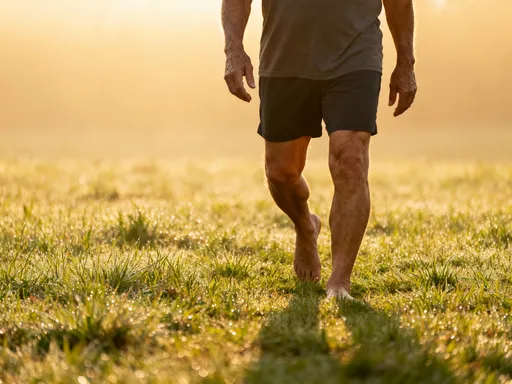
Research suggests that 7,000 to 10,000 steps per day are associated with lower mortality and better cardiovascular health. But step count isn’t the only measure. Step quality matters just as much. A slow, slouched walk delivers fewer benefits than a shorter, purposeful one. Try adding intervals: walk at a comfortable pace for three minutes, then increase speed for one minute. This boosts cardiovascular fitness without overexertion. Varying terrain—walking on grass, hills, or trails—also challenges balance and engages more muscles than flat pavement.
Walking can also be a mindfulness practice. Leave the phone behind or put it on airplane mode. Tune into your breath, notice your surroundings, and let your mind wander. This combination of movement and mental clarity reduces stress, improves mood, and enhances creativity. Many women report that their best ideas come during walks—not in meetings or at their desks.
The real power of walking lies in consistency. It’s not about one long hike a week, but daily movement. Even 20 minutes a day makes a difference. Pair it with habits: walk during phone calls, park farther from store entrances, take the stairs. These small choices add up. Over months and years, regular walking preserves independence, supports heart health, and keeps the body agile. It’s not flashy, but it’s foundational—and one of the simplest ways to age with strength and grace.
Building a Lifestyle, Not a Workout Routine
Longevity isn’t built in 30-minute workout blocks. It’s shaped by how you move—or don’t move—throughout the day. The most effective anti-aging strategy isn’t a rigid fitness plan, but a lifestyle that naturally includes movement. This means integrating physical activity into daily routines so it becomes automatic, not optional. The goal isn’t to “exercise more,” but to “move more” in ways that feel natural and sustainable.
Start by creating movement cues. Set a timer to stand and stretch every 30 minutes. Use household tasks as exercise: squat while loading the dishwasher, lunge while picking up laundry, or do calf raises while brushing your teeth. These micro-movements add up. Over a day, they can total hundreds of repetitions—enough to maintain strength and circulation without feeling like a workout.
Habit stacking is another powerful tool. Pair movement with existing habits: take a walk after dinner, do shoulder rolls during TV commercials, or stretch while waiting for the kettle to boil. These small linkages make movement easier to remember and maintain. Over time, they become automatic—like brushing your teeth or locking the door.
Motivation fades. Willpower runs out. But systems last. Design your environment to support movement: keep resistance bands near your chair, walking shoes by the door, or a yoga mat visible in the living room. These visual cues prompt action without decision fatigue. If you travel often, pack a lightweight band or download a short mobility routine on your phone. Consistency matters more than duration.
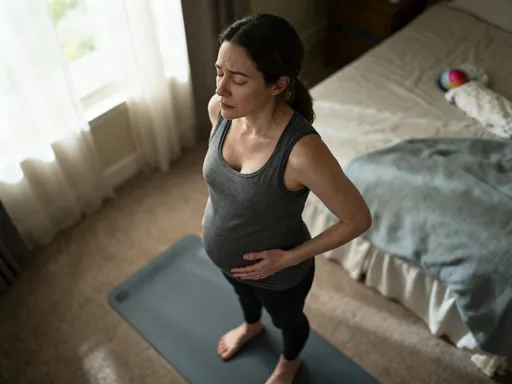
Rest and recovery are also part of the system. Movement should never come at the cost of pain or exhaustion. Listen to your body. Some days, gentle stretching or a slow walk is enough. Other days, you might feel strong and energized. Honor those fluctuations. Overtraining leads to burnout; undertraining leads to decline. The sweet spot is regular, moderate effort—enough to challenge the body, but not overwhelm it.
The women who age with the most vitality aren’t the ones doing extreme workouts. They’re the ones who move consistently, recover well, and treat their bodies with respect. They’ve built a lifestyle where movement isn’t a chore, but a form of self-respect. And that mindset—of care, consistency, and compassion—is what truly keeps them young.
Aging Forward With Strength and Joy
The best anti-aging strategy isn’t found in a bottle, a clinic, or a fad diet. It’s in your daily choices—how you sit, stand, walk, and move. Aging isn’t something to fight or fear. It’s a natural part of life. But how you age is not entirely out of your hands. Movement gives you agency. It allows you to age forward—with strength, confidence, and joy—rather than retreat into stiffness, fatigue, and limitation.
By embracing the four pillars—strength, mobility, balance, and aerobic activity—you build a body that can do what you want it to, for as long as possible. You don’t need perfection. You don’t need hours a day. You just need to start. Begin with one small change: a daily walk, a few squats, a minute of spine movement. Let that habit grow. Then add another. Over time, these choices compound into resilience, energy, and independence.
Remember, it’s never too late. Whether you’re 40, 50, 60, or beyond, your body is still capable of change. Every movement you make is a vote for the kind of life you want to live. Choose strength. Choose motion. Choose to feel alive. Because the truth is, you won’t age like before—not if you decide, today, to move differently.