Why My Yoga and Meditation Practice Almost Derailed My Recovery – And What I Learned
I started yoga and meditation to support my recovery after an injury, thinking it was a gentle, safe path to healing. But without proper guidance, I pushed too hard and ended up setting myself back. Turns out, not all mindfulness practices are automatically restorative—especially during rehabilitation. This is the real talk I wish I’d heard earlier: how blending Eastern wellness with recovery work can help or hurt, depending on how you do it.
The Allure of Yoga and Meditation in Recovery
After a minor back injury that left me with lingering discomfort and disrupted sleep, I found myself searching for ways to heal beyond prescription pain relievers and physical therapy appointments. Like many women in their 30s to 50s navigating recovery from everyday wear and tear—whether from parenting, long hours at work, or aging joints—I turned to yoga and meditation. These practices were everywhere: on social media, in wellness magazines, even recommended by friends who swore they’d found relief through mindful movement. The promise was simple: calm your mind, stretch your body, and restore balance naturally. There was something deeply appealing about the idea of healing without medication, guided by breath and intention rather than clinical protocols.
My initial experience was uplifting. I remember the first time I unrolled a mat in my living room, lit a candle, and followed a beginner’s yoga video online. The slow stretches felt soothing. The instructor’s voice was soft, encouraging me to ‘let go’ and ‘breathe into the space.’ For the first time in weeks, I didn’t feel rushed or broken. I believed I had found a sustainable way forward—one that aligned with my values of self-care and natural healing. But beneath that sense of hope was an assumption I hadn’t questioned: because yoga and meditation are gentle, they must be safe for everyone, at every stage of recovery.
This misconception is widespread. Many people equate ‘low-impact’ with ‘no risk.’ Yet the human body, especially one in the process of healing, does not respond to intention alone. Just because a practice feels peaceful doesn’t mean it’s appropriate. Yoga postures can place subtle but significant stress on joints, ligaments, and muscles. Meditation, while calming in theory, can sometimes heighten awareness of discomfort in ways that interfere with rest. Without understanding the nuances of my injury and recovery timeline, I was operating on faith rather than facts—a decision that soon had physical consequences.
When Mindful Movement Backfires
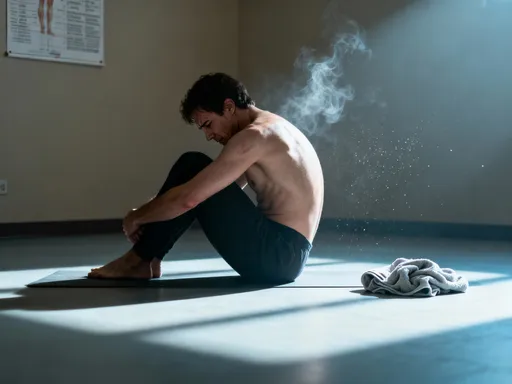
The turning point came during a seemingly harmless seated forward bend. I was following a 20-minute restorative yoga session designed for ‘stress relief and flexibility.’ The instructor guided us into Paschimottanasana, advising us to reach for our toes and ‘soften into the stretch.’ I wasn’t flexible, but I wanted to improve. I leaned forward, exhaled, and pushed a little deeper, focusing on my breath as a way to relax into the pose. What I didn’t notice was the sharp twinge in my lower back—a warning sign I had been taught to ignore in the name of ‘mind-body connection.’
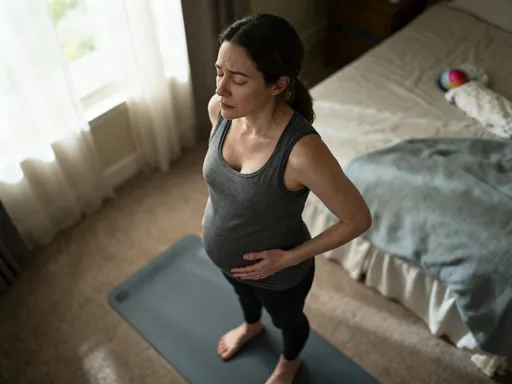
Within hours, the twinge became persistent pain. By the next morning, I could barely stand upright without support. I had aggravated a partially healed disc issue, undoing weeks of progress from physical therapy. My doctor confirmed it: I had overstretched tissue that was still in the repair phase. The irony wasn’t lost on me. I had turned to yoga to avoid further injury, yet I had caused one through overconfidence and misinformation. The very tools meant to promote healing had become sources of harm.
What made this misstep so easy to make? One factor was the way mindfulness practices can mask physical signals. When you’re focused on synchronizing breath with movement, it’s possible to dissociate slightly from bodily sensations. Pain doesn’t always register immediately, especially when the mind is occupied with calming imagery or rhythmic breathing. In my case, the instruction to ‘breathe through the discomfort’ normalized what should have been a red flag. I mistook endurance for progress. This isn’t a flaw in yoga or meditation—it’s a risk when these practices are applied without context. Mindful movement asks you to pay attention, but if you don’t know what to pay attention to, you might miss the most important cues.
Misalignment Between Traditional Yoga and Rehab Needs
Another critical issue I began to recognize was the fundamental difference in goals between traditional yoga and medical rehabilitation. Yoga, in its classical form, is not designed as a physical therapy modality. Its roots lie in spiritual development, energy cultivation, and meditative discipline. While modern adaptations emphasize physical fitness, the original intent was never injury-specific healing. Rehabilitation, on the other hand, is highly structured. It follows evidence-based protocols that prioritize tissue protection, controlled loading, and gradual progression. When these two approaches are blended without understanding their distinct purposes, conflicts arise.
Take deep spinal twists, for example. Many yoga classes include poses like Marichyasana or Ardha Matsyendrasana, which involve rotating the torso while seated. These movements can be beneficial for healthy spines, promoting mobility and circulation. But for someone recovering from a disc issue or post-surgical stiffness, excessive rotation—especially without proper pelvic stabilization—can increase intradiscal pressure and delay healing. Similarly, unsupported balance poses like Tree Pose or Warrior III require core engagement and joint stability that may not yet be present during early recovery. Attempting them prematurely can lead to compensatory movements, muscle strain, or falls.
Even the widely repeated advice to ‘listen to your body’ has limitations. While intuitive awareness is valuable, it’s not a substitute for clinical knowledge. After an injury, the body’s signals can be distorted. Pain might be dull or referred, making it hard to locate the source. Muscle weakness can mimic tightness. Without professional guidance, it’s easy to misinterpret these signals. I thought I was being mindful, but I lacked the framework to understand what my body was truly communicating. The result was well-intentioned effort applied in the wrong direction.
The Hidden Risks of DIY Meditation Practices
Meditation, often seen as the safest of wellness practices, also carries underrecognized risks—especially when practiced in isolation during recovery. One of the most common issues I encountered was related to posture. Many guided meditations assume you can sit comfortably on the floor with crossed legs for 10 to 20 minutes. But for women with hip stiffness, knee discomfort, or lower back sensitivity, this position can create strain. Prolonged sitting in a flexed spine position increases pressure on the lumbar discs. Over time, this can contribute to postural fatigue and even nerve irritation, counteracting the very rest I was seeking.
Beyond physical discomfort, there was an emotional dimension I hadn’t anticipated. Meditation often encourages practitioners to ‘clear the mind’ or ‘observe thoughts without judgment.’ While this sounds peaceful, it can backfire when you’re in pain or anxious about recovery. Instead of calming down, I found myself hyper-focused on every ache and twinge. The silence amplified my awareness of discomfort, making it harder to relax. Rather than reducing stress, I was inadvertently practicing body hypervigilance—the opposite of the soothing effect I needed.
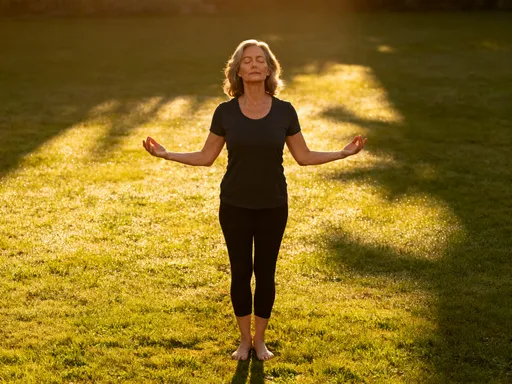
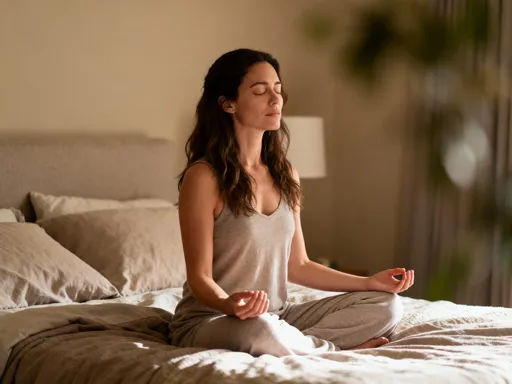
There was also an unspoken pressure to perform. Social media portrayals of meditation often show serene women in perfect lotus position, bathed in morning light. This creates an unrealistic standard. When I couldn’t sit still, when my mind raced, or when pain interrupted my focus, I felt like I was failing. This added a layer of mental stress that undermined the practice’s intended benefits. Meditation is not about achieving stillness at all costs; it’s about cultivating awareness with kindness. But without proper instruction, it’s easy to turn a healing tool into a source of self-criticism.
Bridging Chinese Holistic Principles with Modern Rehab Science
As I reevaluated my approach, I began exploring how traditional Chinese holistic principles could complement modern rehabilitation. Unlike the Western model that often separates mind and body, Traditional Chinese Medicine (TCM) views health as a dynamic balance of energy, or Qi, flowing through meridians. Recovery, in this framework, is not about pushing through limitations but restoring harmony through gradual, supportive practices. This resonated deeply with my experience. I had been trying to force progress; TCM emphasized allowing it.
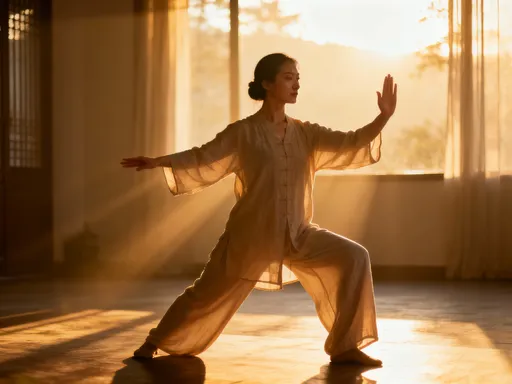
One of the key insights from TCM is the importance of pacing. Just as you wouldn’t pour water into a cracked cup too quickly, you shouldn’t rush healing. Techniques like Qigong—gentle, flowing movements coordinated with breath—align closely with rehabilitation principles. They promote circulation, support joint mobility, and regulate the nervous system without overloading tissues. Unlike more dynamic forms of yoga, Qigong emphasizes micro-movements and postural alignment, making it safer for those in recovery. I started incorporating short Qigong sequences into my routine, focusing on slow arm raises and weight shifts that kept my spine neutral and my breath steady.
Another valuable concept is the idea of ‘tonifying’ rather than ‘draining’ energy. In the early stages of healing, the body needs nourishment, not depletion. Vigorous practices, even if labeled as ‘mindful,’ can drain Qi when it should be conserved. By choosing restorative activities—like seated breathing exercises or gentle self-massage along meridian lines—I supported my body’s natural repair processes. This shift in mindset—from striving to nurturing—was transformative. It allowed me to honor my limits without feeling like I was doing less.
Smart Integration: Making Yoga and Meditation Work Safely
The turning point in my recovery came when I stopped treating yoga and meditation as standalone solutions and began integrating them under professional guidance. I consulted both my physical therapist and a certified yoga therapist trained in adaptive practices. Together, we developed a modified routine that respected my rehabilitation goals. This collaboration was essential. My physical therapist provided biomechanical insights—what movements to avoid, how much range of motion was safe—while the yoga therapist helped translate those guidelines into accessible, calming practices.
We focused on restorative and Yin yoga styles, which emphasize supported postures held for several minutes. Using props like bolsters, blankets, and blocks, I could experience the benefits of stretching without strain. For example, instead of a deep forward fold on the floor, I practiced a reclined version with a bolster under my knees, allowing my lower back to remain in a neutral position. This still provided a sense of release but without the risk. My meditation practice also evolved. I shifted from floor sitting to a chair with proper lumbar support, ensuring spinal alignment. I used guided meditations specifically designed for pain management, which taught me to observe sensations without reacting to them.
Crucially, I learned to use meditation not as a replacement for medical care but as a tool to regulate my nervous system. Chronic pain often keeps the body in a state of low-grade stress, which can slow healing. By practicing diaphragmatic breathing and body scans, I could activate the parasympathetic nervous system—the ‘rest and digest’ mode—helping my body shift out of survival mode and into repair mode. This didn’t cure my injury, but it created the internal conditions for healing to proceed more smoothly.
A Sustainable Path Forward
Today, my wellness routine looks different than it did at the start of my recovery. It’s slower, more intentional, and deeply personalized. I no longer measure progress by how deep I can fold or how long I can sit in silence. Instead, I notice subtler signs: the ease with which I rise from a chair, the way I catch myself before lifting something incorrectly, the moments when I pause and breathe instead of pushing through fatigue. These are the real markers of healing—awareness, resilience, and wisdom.
I’ve also developed a deeper respect for the difference between wellness trends and evidence-informed practice. Yoga and meditation are powerful, but they are not one-size-fits-all. What works for a healthy, flexible body may not serve one in recovery. The key is customization. This means consulting professionals, listening with discernment, and being willing to adapt. It means honoring the body not as a project to be perfected, but as a partner in the journey.
For women navigating recovery—whether from injury, surgery, or the cumulative effects of daily life—this lesson is especially important. We are often caregivers, juggling responsibilities that leave little time for self-care. When we do prioritize our health, we want quick, natural solutions. But true healing is rarely fast, and it’s never about perfection. It’s about consistency, compassion, and informed choices. By approaching wellness practices with humility and professional support, we can transform them from potential risks into lasting allies.
Yoga and meditation can be powerful allies in recovery—but only when approached with awareness, humility, and professional guidance. The goal isn’t perfection in pose or breath, but alignment with your body’s true needs. By avoiding common pitfalls and respecting the process, these practices can evolve from risky experiments into lasting tools for holistic healing.