How I Upgraded My Energy and Focus with Real Food—No Hype, Just Results
Ever feel tired no matter how much you sleep? I did—until I stopped chasing shortcuts and started eating meals that actually fueled my body. This isn’t about extreme diets or magic powders. It’s about choosing real, balanced nutrition that supports long-term energy, mental clarity, and overall well-being. Here’s how simple, practical changes transformed my daily health—without the noise. What I discovered wasn’t a secret formula, but a return to basics: food as fuel, not distraction. And the results weren’t instant, but they were real—more focus by mid-morning, less afternoon fatigue, and a steady mood that didn’t swing with every meal.
The Hidden Cost of “Normal” Eating
Many people assume that as long as they’re eating three meals a day, they’re doing enough to support their health. But the truth is, the standard modern diet—filled with processed foods, refined carbohydrates, and hidden sugars—often does more harm than good, even when it feels convenient. These foods may provide short bursts of energy, but they lead to rapid blood sugar spikes followed by crashes that leave you feeling sluggish, irritable, and mentally foggy. Over time, this cycle can contribute to chronic fatigue, reduced concentration, and even weight gain, all while your body remains undernourished at the cellular level.
The problem lies in the gap between caloric intake and nutrient density. You can consume plenty of calories while still lacking essential vitamins, minerals, and amino acids your body needs to function optimally. For example, a breakfast of sugary cereal with skim milk may seem acceptable on the surface, but it lacks fiber, healthy fats, and sustained protein—key components that support cognitive function and physical stamina. Without them, your brain struggles to maintain focus, and your energy fades before lunchtime. This subtle but persistent drain often goes unnoticed because it feels normal—until you experience what it’s like to break free from it.
Health optimization begins not with restriction, but with awareness. Instead of asking, “How few calories can I eat?” the better question is, “What kind of fuel am I giving my body?” Shifting focus from dieting to nourishment allows you to rebuild your relationship with food in a sustainable way. It’s not about labeling foods as “good” or “bad,” but about recognizing which choices support vitality and which quietly deplete it. When you begin to see food as a tool for performance and well-being—not just pleasure or convenience—you start making decisions that align with long-term energy and mental sharpness.
Why Nutrient-Dense Meals Matter More Than Calories
For years, the dominant narrative in nutrition centered around calorie counting—eat less, move more. But science now shows that not all calories are created equal. A 200-calorie snack pack of cookies and a 200-calorie serving of grilled salmon with avocado and spinach affect your body in profoundly different ways. The first causes a rapid rise in blood glucose, prompting an insulin surge that often leads to a crash within hours. The second provides a balanced mix of protein, healthy fats, and fiber that supports steady energy release, sustained satiety, and brain function.
Nutrient density refers to the amount of vitamins, minerals, antioxidants, and other beneficial compounds in a food relative to its calorie content. Foods like leafy greens, berries, nuts, seeds, legumes, and lean proteins deliver a high concentration of nutrients without excess sugar or unhealthy fats. These are the building blocks your body uses to repair cells, produce neurotransmitters, regulate hormones, and maintain immune function. When your diet is rich in such foods, your body operates more efficiently, and you’re less likely to experience the energy dips and mental fog associated with poor nutrition.
One of the most significant benefits of nutrient-dense eating is its impact on blood sugar stability. Fluctuating glucose levels don’t just affect energy—they influence mood, concentration, and even sleep quality. Studies have shown that diets high in refined carbohydrates are linked to increased risk of cognitive decline over time, while those rich in whole foods support better memory and mental processing speed. By prioritizing meals that combine protein, fiber, and healthy fats, you create a buffer against rapid glucose spikes, allowing your brain to function at its best throughout the day.
This approach also supports long-term metabolic health. Repeated blood sugar swings can lead to insulin resistance, a precursor to type 2 diabetes and other chronic conditions. Choosing real, whole foods helps maintain insulin sensitivity, reducing inflammation and supporting cardiovascular health. More importantly, it fosters a sense of physical and mental resilience. When your body isn’t constantly reacting to dietary stressors, it has more resources to focus on repair, recovery, and performance. The result is not just weight management, but improved focus, better digestion, and a greater sense of well-being.
My Daily Meal Framework (And Why It Works)
After experimenting with various eating patterns, I developed a simple, repeatable structure that supports energy and focus without requiring constant effort or special ingredients. The foundation of this framework is balance: each meal includes a source of lean protein, complex carbohydrates, healthy fats, and a variety of colorful vegetables. This combination ensures that I stay full longer, avoid energy crashes, and provide my body with the nutrients it needs to function at its best.
Breakfast, for example, typically includes scrambled eggs with spinach and tomatoes, a slice of whole grain toast, and a small portion of avocado. This meal delivers high-quality protein from the eggs, fiber and complex carbs from the toast, and heart-healthy monounsaturated fats from the avocado. The vegetables add antioxidants and phytonutrients that support brain health. On busy mornings, I might opt for a smoothie made with unsweetened almond milk, a scoop of plain Greek yogurt, a handful of berries, chia seeds, and a tablespoon of nut butter. It’s quick, portable, and still aligns with the same principles of balance and nutrient density.
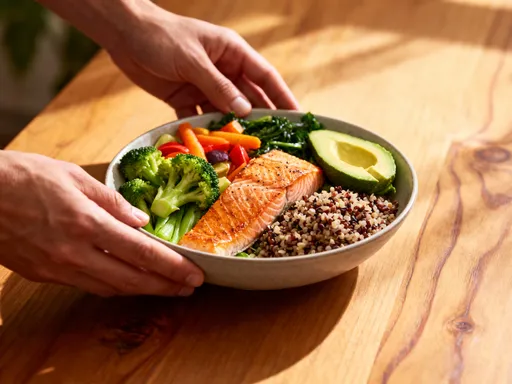
Lunch is usually a large salad with mixed greens, grilled chicken or chickpeas, roasted sweet potatoes, cucumbers, bell peppers, and a homemade dressing of olive oil and lemon juice. This meal is rich in fiber, plant-based nutrients, and sustained protein, which helps maintain focus during the afternoon. I’ve found that eating a substantial lunch with adequate protein prevents the urge to reach for sugary snacks later in the day. Dinner often features baked salmon or turkey with quinoa or brown rice and a side of steamed broccoli or roasted Brussels sprouts. The omega-3 fatty acids in fatty fish support cognitive function, while the complex carbs help regulate sleep-related hormones like melatonin.
What makes this framework effective isn’t perfection—it’s consistency. I don’t eat this way 100% of the time, and that’s okay. The goal isn’t to follow a rigid set of rules but to establish a reliable baseline that supports energy and mental clarity most days. Over time, the benefits compound: better sleep, improved digestion, and a more stable mood. Even on days when I eat something less ideal, returning to this balanced structure the next meal helps reset my system. It’s a flexible, realistic approach that fits into real life, not just an idealized version of it.
Smart Swaps That Make a Difference
One of the most empowering aspects of improving your diet is realizing that you don’t need to overhaul everything at once. Small, intentional changes—what I call “smart swaps”—can have a meaningful impact on how you feel day to day. These aren’t about deprivation, but about upgrading your choices in ways that are sustainable and accessible. The key is to focus on adding nourishing foods rather than eliminating entire food groups, which makes the transition feel positive rather than restrictive.
For instance, replacing white bread with whole grain bread increases your intake of fiber and B vitamins, which support energy metabolism and digestive health. Similarly, swapping sugary breakfast cereals for oatmeal topped with fresh fruit and a sprinkle of nuts provides longer-lasting energy and more satiety. Instead of reaching for a bag of chips in the afternoon, I now keep sliced apples with almond butter or carrot sticks with hummus on hand. These options satisfy cravings while delivering nutrients that support brain function and gut health.
Another powerful swap is choosing water or herbal tea over sugary drinks, including fruit juices that are high in natural sugars but low in fiber. Hydration plays a critical role in cognitive performance—studies show that even mild dehydration can impair attention, memory, and mood. By keeping a water bottle nearby and infusing it with lemon, cucumber, or mint, I’ve made hydration a seamless part of my routine. I’ve also replaced processed snacks with whole food alternatives, like a small handful of mixed nuts or a boiled egg, which provide protein and healthy fats that keep hunger at bay.
These changes may seem minor, but their effects are cumulative. Over time, they lead to better digestion, more stable energy levels, and improved mental clarity. What’s more, they don’t require special shopping trips or expensive ingredients. Most of these swaps rely on items available at standard grocery stores, making them practical for anyone, regardless of budget or location. The goal isn’t to be perfect but to make slightly better choices more often. And as those choices become habits, the benefits become automatic—less fatigue, fewer cravings, and a greater sense of control over your daily well-being.
Meal Prep Without the Stress
One of the biggest obstacles to eating well is decision fatigue, especially on busy days when time and energy are limited. Meal prep doesn’t have to mean spending hours in the kitchen every Sunday or creating elaborate portion-controlled containers. A simplified approach—focused on planning, batch cooking, and smart storage—can save time, reduce stress, and support consistency without feeling overwhelming.
I start by choosing three to four main dishes I enjoy and can easily rotate throughout the week. For example, I might prepare a large batch of quinoa, roast a tray of mixed vegetables, and cook grilled chicken breasts or lentils. These components can be mixed and matched to create different meals—quinoa bowls, salads, or stir-fries—without feeling repetitive. I also hard-boil a few eggs and wash and chop vegetables like carrots, celery, and bell peppers for quick snacks. Having these ready-to-eat options makes it easier to avoid reaching for processed convenience foods when hunger strikes.
Storage is key to success. I use airtight glass containers to keep cooked meals fresh for up to four days in the refrigerator. For longer storage, I freeze portions of soups, stews, or cooked grains in individual servings. Labeling containers with dates helps me keep track of freshness. I also keep a small cooler bag with an ice pack for days when I need to take lunch to work or run errands, ensuring food stays safe and appetizing.
The real benefit of meal prep isn’t just time saved—it’s the mental relief of knowing what you’ll eat ahead of time. This reduces daily decision-making, which conserves mental energy for more important tasks. It also supports portion control and prevents impulsive eating, especially when you’re tired or stressed. By investing a few hours each week in preparation, I’ve created a system that supports my health goals without adding to my workload. And on days when I don’t stick to the plan, I view it as a learning opportunity, not a failure. Flexibility, not rigidity, is what makes this approach sustainable.
Listening to Your Body: The Missing Piece
One of the most transformative shifts in my journey was learning to listen to my body rather than following rigid diet rules. Everyone responds differently to food, and what works for one person may not work for another. Paying attention to how different meals affect your energy, mood, digestion, and sleep allows you to make personalized adjustments that lead to better long-term outcomes. This practice—often called mindful eating—shifts the focus from external rules to internal feedback, fostering a healthier relationship with food.
I started by simply noticing how I felt after meals. Did I feel energized and clear-headed, or sluggish and bloated? Did a certain food trigger cravings later in the day? Over time, patterns emerged. I noticed that meals high in refined carbs left me tired by mid-afternoon, while balanced meals kept my focus sharp. I also became more aware of emotional eating—times when I reached for food not because I was hungry, but because I was stressed or bored. Recognizing these triggers helped me develop alternative coping strategies, like taking a short walk or drinking a cup of herbal tea.
Mindful eating also means slowing down and savoring your food. Eating in front of a screen or while multitasking can lead to overeating and poor digestion. By sitting down to eat without distractions, chewing thoroughly, and appreciating the taste and texture of each bite, I’ve improved my digestion and felt more satisfied with smaller portions. This practice doesn’t require special training—it’s about creating space to be present during meals, even if only for a few minutes.
Over time, this awareness has become a powerful tool for self-regulation. Instead of relying on willpower to stick to a diet, I now make choices based on how I want to feel. If I know a heavy, greasy meal will leave me uncomfortable, I’m more likely to choose something lighter and more nourishing. This internal motivation is far more sustainable than external pressure. It turns healthy eating from a chore into a form of self-care—one that honors your body’s needs and supports your daily life.
Building a Sustainable Nutrition Habit
Maintaining healthy eating habits isn’t about willpower—it’s about creating an environment and routine that make good choices easy. Research shows that behavior change is most successful when it’s supported by consistent cues, simple actions, and positive reinforcement. Instead of relying on motivation, which can fluctuate, I’ve built systems that help me stay on track even on busy or stressful days.
One effective strategy is routine stacking—linking a new habit to an existing one. For example, every time I make my morning coffee, I also fill a large water bottle to carry with me throughout the day. This simple pairing ensures I stay hydrated without having to remember it separately. Similarly, I keep healthy snacks like nuts or fruit in visible places, while storing less nutritious options in less accessible cabinets. These small environmental tweaks reduce temptation and make better choices the default.
Tracking progress in a non-judgmental way has also been helpful. I don’t count calories or weigh myself daily, but I do keep a simple journal where I note how I feel each day—my energy levels, mood, and digestion. Over time, I’ve seen clear connections between what I eat and how I feel, which reinforces my commitment. Celebrating small wins—like choosing a balanced lunch three days in a row—builds confidence and momentum.
Finally, I’ve learned to be patient and compassionate with myself. Slip-ups are part of the process, not proof of failure. What matters most is the overall pattern, not perfection. By focusing on gradual improvement rather than dramatic change, I’ve created a lifestyle that supports long-term health. This isn’t a diet—it’s a lifelong upgrade to how I fuel my body and mind. And the results speak for themselves: more energy, sharper focus, and a greater sense of well-being that grows stronger with every honest meal.
True health isn’t found in trends or extremes. It grows from daily choices that respect your body’s needs. By focusing on real, balanced meals, you’re not just eating better—you’re building a sharper mind, stronger energy, and a more resilient self. This is nutrition that lasts, one honest meal at a time.