How I Bounced Back After Baby: Real Talk on Postpartum Movement That Actually Works
After giving birth, I felt broken—like my body didn’t belong to me anymore. I wanted to move, but didn’t know where to start. Sound familiar? Postpartum recovery isn’t about rushing back to pre-baby jeans. It’s about healing, reconnection, and rebuilding strength safely. This is what helped me—no fluff, just real steps that made a difference. The journey isn’t about looking like you did before. It’s about feeling strong, grounded, and capable in your transformed body. Millions of women walk this path, yet so many feel isolated, pressured, or misinformed. This guide cuts through the noise with practical, science-backed strategies that honor your body’s unique recovery timeline.
The Postpartum Reality Check: Why “Bouncing Back” Is a Myth
The phrase “bounce back” dominates postpartum culture. Magazines feature celebrities on covers weeks after delivery, fitness influencers post transformation reels, and social media floods with curated images of rapid recovery. But behind these narratives lies a dangerous myth: that returning to pre-pregnancy shape quickly is not only possible but expected. For most women, this idea sets an unrealistic standard that can lead to frustration, guilt, and even physical harm. The truth is, childbirth is a profound physiological event. Whether delivery was vaginal or by cesarean, the body undergoes massive changes—hormonal shifts, tissue stretching, muscle separation, and emotional adjustments—all of which require time and care to heal.
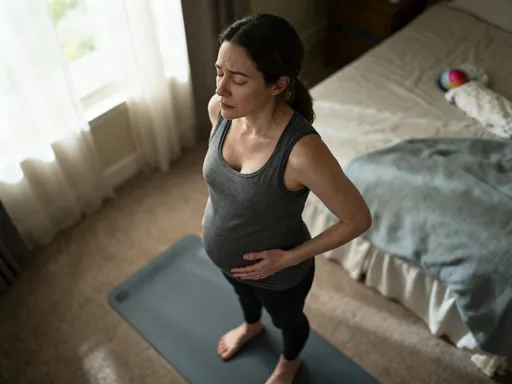
Common physical challenges include fatigue that lingers for months, diastasis recti (a separation of the abdominal muscles), and pelvic floor weakness, which can contribute to incontinence or discomfort. Emotionally, new mothers often grapple with identity shifts, anxiety, and mood fluctuations. These are not signs of failure—they are part of the process. Yet societal pressure often pushes women toward intense workouts too soon, ignoring the need for foundational healing. This pressure can delay recovery and increase the risk of long-term complications such as pelvic organ prolapse or chronic back pain.
Progressive recovery—prioritizing gradual, intentional healing over speed—is a more sustainable and health-promoting approach. It acknowledges that recovery isn’t linear. Some days will feel like progress; others may feel like setbacks. That’s normal. The goal isn’t to rush but to rebuild function, stability, and confidence over time. This begins with recognizing that rest is not laziness, and movement doesn’t have to mean exercise. Simply breathing deeply, walking to the kitchen, or holding your baby with proper posture are all forms of re-engagement.
Before any movement routine begins, medical clearance is essential. Most healthcare providers recommend a six-week postpartum checkup to assess healing, especially for those who experienced complications such as tearing, cesarean delivery, or gestational hypertension. During this visit, a doctor or midwife can confirm whether it’s safe to begin light activity. Skipping this step or self-clearing without professional input increases the risk of injury. Listening to your body is important, but it should be paired with clinical guidance, not replace it. This combination of self-awareness and medical oversight lays the foundation for a safe and effective recovery journey.
Phase One: Gentle Reconnection (Weeks 1–6)
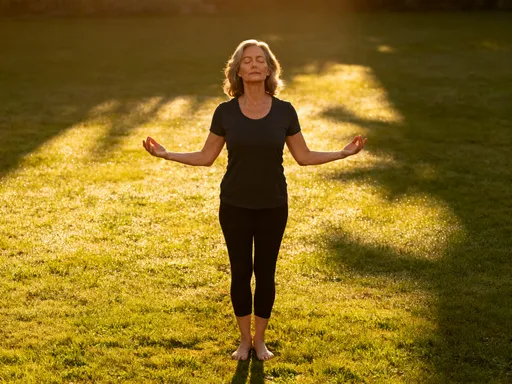
The first six weeks postpartum are not about fitness. They are about restoration. The body is still processing hormonal shifts, recovering from delivery trauma, and adapting to the demands of newborn care. During this phase, the focus should be on gentle movements that support circulation, prevent blood clots, and begin the process of reconnecting with core and pelvic floor muscles. Diaphragmatic breathing is one of the most powerful tools available. Also known as belly breathing, it involves inhaling deeply through the nose, allowing the abdomen to rise, and exhaling slowly through the mouth. This technique activates the parasympathetic nervous system, reducing stress, and gently engages the transverse abdominis—the deepest core muscle—without strain.
Pelvic tilts are another safe and effective movement. Lying on your back with knees bent, gently tilt the pelvis upward, flattening the lower back against the floor, then release. This small motion helps re-establish neuromuscular connection to the core and pelvic floor. It also relieves tension in the lower back, a common complaint after delivery. These movements should be performed slowly, with attention to form, and stopped immediately if pain or discomfort occurs. The goal is not to fatigue muscles but to reawaken them.
Gentle walking is one of the most beneficial activities during early recovery. Starting with just five to ten minutes around the house or driveway, women can gradually increase duration as energy allows. Walking improves circulation, supports mood, and aids in digestive health—critical when constipation is a common postpartum issue. It also provides a mental break, especially when done outside with fresh air and natural light. Even short walks to the mailbox or around the block can become milestones. These small victories build confidence and reinforce the idea that movement is possible, even in the early, exhausting days.
During this phase, it’s crucial to avoid any activity that increases intra-abdominal pressure—such as crunches, planks, or heavy lifting. These can worsen diastasis recti or delay pelvic floor healing. The focus should remain on quality of movement, not quantity. Rest is not the enemy; it is a vital part of recovery. Women should not feel guilty for prioritizing sleep, hydration, and nutrition over exercise. Healing begins from within, and external movement is just one piece of the puzzle. By honoring the body’s need for rest and starting with micro-movements, new mothers lay a strong foundation for future progress.
Phase Two: Building Foundation (Weeks 6–12)
By weeks six to twelve, many women receive medical clearance to begin more structured movement. Energy levels may still be low, and sleep deprivation remains a challenge, but the body is ready for gentle strengthening. This phase is about building a functional foundation—developing stability, coordination, and endurance without overexertion. Low-impact exercises such as modified squats, seated marches, and supported bridges are ideal. Modified squats, performed while holding onto a chair or countertop, help strengthen the glutes and quadriceps while improving balance. Seated marches—lifting one knee at a time while sitting—activate the hip flexors and core in a controlled way. Supported bridges, done lying on the back with knees bent and feet flat, gently engage the glutes and hamstrings while promoting pelvic stability.
Signs of readiness for this phase include reduced postpartum bleeding, improved energy, and the ability to perform daily tasks without pain. If basic movements like standing up from a chair or lifting the baby cause discomfort, it may be too soon to progress. Pain is a signal, not a challenge to push through. Consistency is more important than intensity. Ten minutes of daily movement is more beneficial than one intense 45-minute session followed by days of soreness or fatigue. The goal is to create a sustainable habit, not to achieve a certain look or number on the scale.
Practical tips can make this phase more manageable. Scheduling short sessions during baby’s nap time allows for focused movement without distraction. Using the baby as motivation—such as doing seated marches while feeding or practicing deep breathing during quiet moments—turns caregiving into an opportunity for self-care. Movement should never feel like punishment for eating or resting. Instead, it should be framed as a gift to the body that carried and birthed a child. Tracking progress through non-scale victories—like carrying the baby up the stairs without back pain or walking farther without fatigue—helps maintain motivation.
During this phase, posture becomes increasingly important. Carrying a baby, leaning over a crib, or breastfeeding for long periods can lead to rounded shoulders, forward head posture, and lower back strain. Simple posture checks—such as aligning ears over shoulders and shoulders over hips—can prevent long-term musculoskeletal issues. Incorporating gentle upper back stretches and shoulder blade squeezes into daily routines supports spinal health. The foundation built in these weeks supports all future movement, making it essential to prioritize form and function over speed or volume.
Phase Three: Functional Strength (Months 3–6)
Between three and six months postpartum, many women are ready to progress to more dynamic, functional movements. This phase focuses on building strength for everyday tasks—lifting the car seat, carrying groceries, playing on the floor with the baby. Bodyweight circuits that include step-ups, lunges, and wall push-ups can be introduced gradually. Walking with a stroller becomes an excellent form of interval training—alternating between brisk walking and recovery pace. These activities improve cardiovascular health, muscular endurance, and joint stability in a practical, real-world context.
Proper form is critical during this phase to prevent injury. Maintaining a neutral spine—keeping the natural curve of the lower back—protects the discs and reduces strain. Bracing the core correctly—engaging the deep abdominal muscles without holding the breath—supports the pelvis and spine during movement. Many women unknowingly hold their breath or bear down during exertion, which increases intra-abdominal pressure and can worsen pelvic floor issues. Learning to exhale during effort, such as when standing up from a squat, helps manage pressure and promotes safe movement patterns.
Common challenges during this phase include back pain, fatigue, and occasional incontinence. These are not normal and should not be ignored. Back pain may stem from weak core muscles, poor lifting mechanics, or prolonged sitting. Addressing it early with proper form, stretching, and strengthening exercises can prevent chronic issues. Incontinence, even small leaks when laughing or coughing, is a sign of pelvic floor dysfunction. It is not something to accept as “just part of being a mom.” Seeking guidance from a pelvic floor physiotherapist can provide targeted exercises and education to resolve these concerns.
Mindful movement—focusing on the quality of each repetition rather than the number—should remain the priority. Rushing through exercises or chasing intensity can lead to injury and burnout. Instead, women should tune into how their body feels, adjust movements as needed, and honor their limits. This phase is not about achieving a certain fitness level but about building resilience and confidence in daily life. Every squat, step, and stretch is an act of reclamation—reconnecting with strength, capability, and self-worth.
The Mind-Body Link: Why Movement Heals More Than Muscles
While the physical benefits of postpartum movement are clear, the mental and emotional impacts are equally powerful. Gentle exercise has been shown to reduce symptoms of anxiety and depression, improve sleep quality, and enhance overall mood. The release of endorphins during physical activity acts as a natural antidepressant, helping to regulate emotions during a time of hormonal fluctuation and life transition. Even short bouts of movement—such as a 10-minute walk or a series of breathing exercises—can shift mental state from overwhelm to calm.
Research supports the connection between physical activity and postpartum emotional well-being. A study published in the Journal of Women’s Health Physical Therapy found that women who engaged in regular, moderate exercise during the postpartum period reported lower levels of perceived stress and higher levels of energy and self-efficacy. Another review in the Archives of Women’s Mental Health concluded that structured exercise programs significantly reduced symptoms of postpartum depression compared to control groups. These findings highlight that movement is not just about physical recovery—it is a form of psychological support.
The emotional rollercoaster of new motherhood is normal. Hormonal shifts, sleep deprivation, and identity changes can create a volatile emotional landscape. Showing up for yourself—even for five minutes of stretching or breathing—sends a powerful message: I matter. This act of self-respect counters the guilt and self-doubt that many mothers experience. It is not selfish; it is necessary. When a woman cares for her own well-being, she is better equipped to care for her child. Movement becomes a form of self-compassion, a daily reminder that healing is not just physical but holistic.
Making It Work: Real-Life Strategies for Busy New Moms
Finding time to move as a new mother is undeniably challenging. The demands of feeding, diapering, soothing, and sleeping in fragments leave little room for structured workouts. Yet, consistency doesn’t require perfection. Practical strategies can help integrate movement into daily life without adding stress. Home workouts during baby’s nap time—whether 10 minutes of stretching or a short bodyweight circuit—allow for focused activity without the need for travel or childcare. Baby-wearing walks combine fresh air, bonding, and exercise in one efficient outing. Partner-inclusive movement, such as evening walks together or playful floor exercises with the baby, strengthens relationships while supporting recovery.
The 10-minute rule is a helpful mindset: if you can only do 10 minutes, that’s enough. This removes the pressure to complete a full session and makes movement more accessible. Habit stacking—pairing movement with an existing routine, such as doing pelvic floor exercises while brushing teeth or taking deep breaths during bottle prep—helps build consistency. Tracking non-scale victories, such as improved energy, better sleep, or reduced back pain, reinforces progress in meaningful ways.
Comparison is a silent obstacle. Scrolling through social media can lead to feelings of inadequacy when others appear further along in their journey. But every body, every birth, and every recovery is different. A vaginal delivery with no complications follows a different path than a cesarean with a long recovery. A mother of twins faces different challenges than a first-time mom of a singleton. Healing timelines vary widely, and that’s okay. The only comparison that matters is to your own progress. Celebrating small wins—like completing a walk without pain or feeling stronger when lifting the baby—builds confidence and motivation.
When to Seek Help and What to Avoid
While gradual recovery is normal, certain symptoms should not be ignored. Persistent pain in the abdomen, pelvis, or back is a red flag. Pelvic pressure, a feeling of heaviness or bulging in the vaginal area, may indicate pelvic organ prolapse and requires evaluation by a healthcare provider. Urinary leakage during movement, coughing, or laughing is not a normal part of motherhood and signals pelvic floor dysfunction. Doming or coning of the abdomen during sit-ups or planks is a sign of diastasis recti under strain and means those exercises should be stopped immediately.
Consulting a pelvic floor physiotherapist is one of the most valuable steps a postpartum woman can take. These specialists assess core and pelvic floor function, provide personalized exercise programs, and guide safe progression. They can also offer internal assessments when appropriate, giving a clearer picture of healing. Seeking help is not a sign of failure—it is an act of strength and self-advocacy. Just as a baby receives regular checkups, so should a mother’s recovery be monitored and supported.
Unsafe trends should be avoided. Intense core workouts too soon—such as ab wheels, heavy planks, or high-rep crunches—can worsen diastasis recti and delay healing. Skipping foundational phases for the sake of aesthetics puts long-term health at risk. The body is not a project to be fixed; it is a vessel that performed an incredible feat. Respecting its recovery process is the most effective way to regain strength and function.
Conclusion
Postpartum recovery isn’t about returning to who you were—it’s about becoming who you are now, stronger and wiser. Movement isn’t punishment; it’s a form of self-respect. With patience, guidance, and compassion, every step forward counts. Your body did something amazing. Now, let it heal—on its own terms. The journey is not defined by speed, appearance, or comparison. It is defined by listening, honoring, and rebuilding. By embracing progressive recovery, seeking support when needed, and celebrating small victories, women can reclaim strength, confidence, and well-being in a way that lasts far beyond the postpartum period. This is not just about fitness. It’s about healing, wholeness, and the quiet power of showing up for yourself—one breath, one step, one moment at a time.