How I Finally Found Balance During Menopause — Real Talk, Real Results
Menopause isn’t just hot flashes and mood swings — it’s a whole-body shift that can leave you feeling lost. I know because I’ve been there. After years of trial and error, I discovered simple, science-backed ways to feel more like myself again. This isn’t about quick fixes or miracle cures. It’s about real, sustainable health optimization — from sleep and energy to mood and metabolism. Let’s walk through what actually works, one manageable step at a time.
Understanding Menopause: More Than Just a Hormone Shift
Menopause marks the end of a woman’s reproductive years, typically occurring between the ages of 45 and 55. Officially, it’s defined as the point when a woman has gone 12 consecutive months without a menstrual period. But behind this simple definition lies a complex transformation that affects nearly every system in the body. The most well-known change is the decline in estrogen and progesterone, but these hormonal shifts set off a cascade of metabolic, neurological, and emotional adjustments that go far beyond the reproductive organs.
Estrogen plays a surprisingly wide role in the body — it influences bone density, cardiovascular health, brain function, skin elasticity, and even the regulation of body temperature. When levels begin to fluctuate and eventually decrease, women may notice changes in energy, weight distribution, cognitive sharpness, and emotional stability. Many describe feeling as though their body is no longer responding to the routines and habits that once worked so well. This isn’t a sign of failure — it’s a sign of transition.
One of the most important mindset shifts is to stop viewing menopause as a medical problem that needs fixing. Instead, it’s helpful to see it as a natural phase of life, much like puberty or pregnancy, where the body is adapting to a new set of biological priorities. The goal isn’t to resist this change but to support the body through it with informed, compassionate care. When women understand that symptoms like fatigue or weight gain are not personal shortcomings but physiological responses, they can approach this stage with more patience and less frustration.
This broader understanding also helps reduce the sense of isolation that many women feel. Knowing that millions of others are navigating similar shifts — and that these changes are backed by science — provides both validation and empowerment. The journey through menopause isn’t about returning to how things were, but about building a new foundation for long-term health and vitality.
The Hidden Struggles: Why So Many Women Feel Left in the Dark
Despite how common menopause is, many women report feeling unprepared and unsupported when symptoms begin. A 2023 survey by the North American Menopause Society found that over 60% of women felt they had received little to no education about menopause from their healthcare providers. This knowledge gap leaves many struggling in silence, mistaking normal physiological changes for personal failings or early signs of decline.
Some of the most frequently overlooked symptoms include brain fog, joint discomfort, and shifts in metabolism that lead to weight gain — especially around the abdomen. These changes can be deeply frustrating, particularly when they occur despite consistent diet and exercise habits. Brain fog, for example, isn’t just about forgetting where you left your keys. It can mean difficulty concentrating at work, losing your train of thought mid-sentence, or feeling mentally sluggish even after a full night’s sleep. These experiences are real and common, yet they’re often dismissed as stress or aging.
Joint discomfort is another under-discussed issue. As estrogen levels drop, the body produces less collagen and experiences increased inflammation, which can lead to stiffness, especially in the mornings. Many women find themselves avoiding activities they once enjoyed, not because of pain, but because of a persistent sense of physical unease. Similarly, changes in metabolism can make it harder to maintain weight, even when calorie intake hasn’t changed. This isn’t a lack of willpower — it’s a shift in how the body processes energy.
The disconnect between medical systems and lived experience often leaves women feeling dismissed. Some report being offered antidepressants or sleep aids without a thorough exploration of hormonal causes. Others are told their symptoms are “just part of getting older” without being given tools to manage them. This lack of support can lead to anxiety, low self-esteem, and a sense of helplessness. But when women are given accurate information and practical strategies, they often find that they can regain a strong sense of control and well-being.
Nutrition That Works: Eating for Hormonal Harmony
Diet plays a powerful role in managing menopause symptoms and supporting long-term health. As metabolism slows and hormonal balance shifts, the quality and timing of food become more important than ever. The goal isn’t to follow a restrictive diet or eliminate entire food groups, but to choose nutrient-dense foods that stabilize blood sugar, reduce inflammation, and support hormone production.
Protein is especially crucial during this phase. Muscle mass naturally declines with age, a process that accelerates during menopause due to lower estrogen levels. Consuming adequate protein throughout the day helps preserve lean muscle, supports metabolism, and promotes satiety, reducing the urge to snack on processed foods. Experts recommend spreading protein intake across meals — aiming for 20 to 30 grams per meal — from sources like eggs, Greek yogurt, fish, legumes, and lean poultry. This steady supply helps maintain energy and prevents the afternoon crashes many women experience.
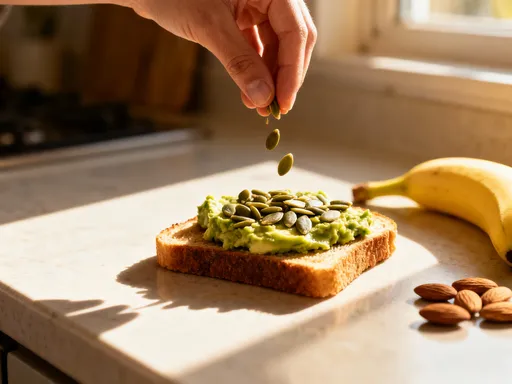
Fiber-rich plant foods are another cornerstone of hormonal health. Vegetables, fruits, whole grains, nuts, and seeds provide not only essential vitamins and minerals but also compounds that support gut health and estrogen metabolism. For example, cruciferous vegetables like broccoli, cauliflower, and Brussels sprouts contain indole-3-carbinol, which helps the body process estrogen efficiently. Whole grains like oats and quinoa offer sustained energy and help regulate insulin, which in turn supports weight management.
Healthy fats are equally important. Omega-3 fatty acids, found in fatty fish, flaxseeds, and walnuts, have been shown to reduce inflammation, support brain health, and may even help ease hot flashes. Monounsaturated fats from olive oil, avocados, and nuts support heart health — a growing concern as estrogen’s protective effects on the cardiovascular system diminish. At the same time, reducing processed foods, added sugars, and excessive alcohol can make a noticeable difference in energy, sleep, and mood.
Hydration is often overlooked but vital. Declining estrogen can affect the body’s ability to retain water, increasing the risk of dehydration. Drinking enough water — about 8 to 10 cups daily — supports digestion, skin health, and temperature regulation. Herbal teas like chamomile or peppermint can be soothing alternatives, while limiting caffeine may help reduce anxiety and improve sleep quality. Small, consistent changes in eating habits can lead to meaningful improvements in how a woman feels every day.
Movement as Medicine: Finding Joy in Daily Activity
Physical activity is one of the most effective tools for managing menopause symptoms, yet it’s often misunderstood. Many women associate exercise with weight loss or intense workouts, but during this life stage, movement is better viewed as medicine — something that supports hormonal balance, bone strength, mood, and sleep. The key is to find forms of activity that are sustainable, enjoyable, and aligned with changing physical needs.
Strength training deserves special attention. As muscle mass decreases and fat distribution shifts, building and maintaining muscle becomes essential for metabolic health. Muscle tissue burns more calories at rest than fat, so preserving it helps counteract the natural slowdown in metabolism. Strength training also supports joint stability, improves posture, and reduces the risk of osteoporosis — a growing concern as estrogen levels fall. This doesn’t require heavy weights or a gym membership. Bodyweight exercises like squats, lunges, and push-ups, or resistance bands used at home, can be highly effective when done consistently.
Low-impact cardio is another valuable component. Activities like brisk walking, swimming, cycling, or using an elliptical machine improve cardiovascular health without putting excessive strain on joints. These exercises also stimulate the release of endorphins, natural mood boosters that can help manage anxiety and low mood. Even 30 minutes a day, five days a week, can make a significant difference in energy levels and sleep quality. The goal isn’t intensity but consistency — finding a rhythm that fits into daily life without feeling like a burden.
Flexibility and balance work should not be overlooked. Practices like yoga, tai chi, or simple stretching routines improve range of motion, reduce stiffness, and promote relaxation. Yoga, in particular, has been studied for its benefits during menopause, with research showing reductions in hot flashes, improved sleep, and lower stress levels. These activities also encourage mindfulness, helping women tune into their bodies and respond to signals of fatigue or tension. Movement doesn’t have to be structured or time-consuming — taking the stairs, gardening, or dancing while cooking can all contribute to daily activity goals.
Sleep and Stress: Unlocking the Recovery Cycle
Sleep and stress are deeply interconnected, and both are profoundly affected by menopause. Hormonal fluctuations, particularly in estrogen and progesterone, can disrupt the body’s natural sleep-wake cycle. Progesterone has a calming effect, so its decline can lead to difficulty falling asleep or staying asleep. Night sweats — a common form of hot flash that occurs during sleep — can wake a woman multiple times a night, leading to chronic sleep deprivation.
Poor sleep doesn’t just leave a woman feeling tired — it amplifies other symptoms. Lack of rest impairs cognitive function, increases irritability, slows metabolism, and raises cortisol levels, the body’s primary stress hormone. Elevated cortisol over time can contribute to weight gain, especially around the midsection, and weaken immune function. This creates a vicious cycle: stress disrupts sleep, poor sleep increases stress, and both worsen menopause symptoms.
Breaking this cycle starts with supporting the body’s circadian rhythm. Going to bed and waking up at the same time every day — even on weekends — helps regulate internal clocks. Creating a bedtime routine signals the body that it’s time to wind down. This might include dimming the lights, reading a book, taking a warm bath, or practicing gentle stretching. Avoiding screens for at least an hour before bed is crucial, as blue light from phones and tablets suppresses melatonin, the hormone that promotes sleep.
Managing stress is equally important. Chronic stress keeps the body in a constant state of alert, making it harder to relax and fall asleep. Techniques like deep breathing, meditation, or progressive muscle relaxation can activate the parasympathetic nervous system, which promotes calm and recovery. Even five to ten minutes of mindful breathing during the day can lower cortisol levels and improve emotional resilience. Regular physical activity, time in nature, and meaningful social connections also serve as natural stress buffers.
Creating a sleep-supportive environment can make a big difference. Keeping the bedroom cool, quiet, and dark helps prevent night sweats and supports uninterrupted sleep. Some women find relief by using breathable bedding, wearing moisture-wicking sleepwear, or keeping a fan nearby. If sleep problems persist, it’s important to consult a healthcare provider to rule out conditions like sleep apnea, which becomes more common after menopause.
Mindset Matters: Shifting from Survival to Thriving
Emotional well-being is just as important as physical health during menopause. This life stage often coincides with other major transitions — children leaving home, career changes, caring for aging parents — which can amplify feelings of loss, uncertainty, or identity shifts. Many women describe feeling invisible or undervalued, as if their worth is tied to youth or fertility. These feelings are valid, but they don’t have to define the experience.
Self-compassion is a powerful antidote to self-criticism. Instead of judging oneself for mood swings or fatigue, it’s more helpful to respond with kindness and understanding. Recognizing that the body is going through a significant transition allows for greater patience and acceptance. Simple practices like journaling, positive affirmations, or talking with trusted friends can help reframe negative thoughts and build emotional resilience.
Setting boundaries is another essential skill. Many women are natural caregivers, often putting others’ needs before their own. But during menopause, self-care is not selfish — it’s necessary. Learning to say no, protecting time for rest, and prioritizing activities that bring joy are all ways to honor one’s changing needs. This might mean leaving a social event early, delegating household tasks, or scheduling regular “me time” without guilt.
Redefining personal goals can also support a positive mindset. Instead of striving for perfection or comparing oneself to past standards, it can be freeing to focus on progress and presence. What does well-being look like now? It might mean having more energy to play with grandchildren, feeling calm during stressful moments, or simply enjoying a good night’s sleep. These are meaningful achievements that reflect true vitality. By shifting from a mindset of survival to one of thriving, women can approach menopause not as an ending, but as an opportunity for renewal and growth.
Putting It All Together: A Sustainable, Personalized Approach
There is no one-size-fits-all solution for navigating menopause. Every woman’s experience is unique, shaped by genetics, lifestyle, medical history, and personal preferences. The most effective approach is one that integrates the key pillars — nutrition, movement, sleep, and mindset — in a way that feels realistic and sustainable. The goal isn’t perfection, but progress through small, consistent changes.
Start by identifying one or two areas that feel most challenging. If sleep is the biggest struggle, focus on improving bedtime routines and reducing screen time at night. If energy levels are low, experiment with adding more protein to meals or taking short walks after lunch. Trying to change everything at once often leads to burnout, so it’s better to build habits gradually. Track what works — a journal can be a helpful tool for noticing patterns and celebrating small wins.
Professional guidance can also make a meaningful difference. A registered dietitian can help tailor a nutrition plan, a physical therapist can design a safe strength routine, and a therapist can support emotional well-being. Hormone therapy may be an option for some women, particularly those with severe symptoms, and should be discussed with a trusted healthcare provider. The decision to use hormone therapy is personal and should be based on individual health history, risks, and preferences.
Community and connection are powerful sources of support. Talking openly with friends, joining a menopause support group, or reading trusted resources can reduce feelings of isolation and provide practical tips. Sharing experiences normalizes the journey and reminds women that they are not alone. Over time, what once felt overwhelming can become a period of empowerment and self-discovery.
Conclusion: Reclaiming Vitality on Your Terms
Menopause is not the end of feeling strong, vibrant, and in control. It is a natural transition that, when supported with knowledge and care, can become a foundation for lasting health. The changes that come with this phase are not flaws to be fixed, but signals to listen to the body with greater attention and compassion. By making informed choices about nutrition, movement, sleep, and mindset, women can not only manage symptoms but thrive in this new chapter of life.
The journey through menopause is deeply personal, but it doesn’t have to be faced in silence. With the right tools and support, it’s possible to regain energy, clarity, and joy. This isn’t about turning back the clock — it’s about moving forward with intention, resilience, and confidence. It’s not too late to feel like yourself again. In fact, it’s just the beginning of a new, more empowered way of living.