You Won’t Age Like Before: My Movement Fix That Actually Works
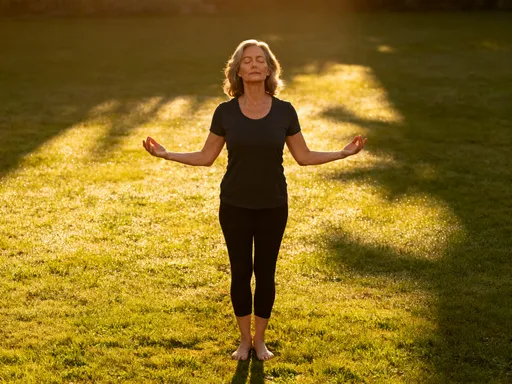
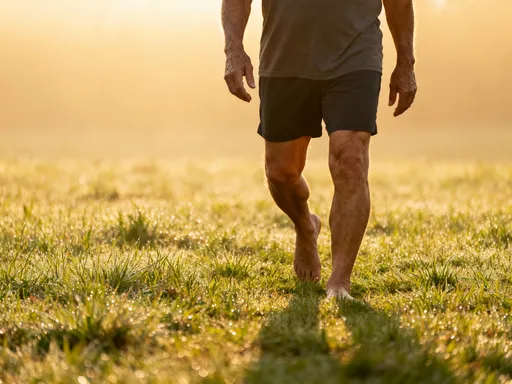
Aging doesn’t have to mean slowing down. I’ve seen how the right movement routine can turn years around—not by magic, but by smart choices. Wrinkles happen, but stiffness? Fatigue? That’s not inevitable. What if your daily motion could rewire how you age? This isn’t about extreme workouts or trends. It’s about moving with purpose. I tested it myself, and the difference in my energy, posture, and joint comfort was real. Let’s talk about how movement becomes medicine. The body is designed to move, yet modern life encourages stillness. Sitting dominates our days—commuting, working, eating, relaxing. Over time, this lack of motion signals the body to downshift: muscles weaken, joints stiffen, energy dips. But aging well isn’t about fighting time. It’s about working with your biology. Science now shows that how you move—or don’t move—directly influences how quickly you decline. The good news? You can change the trajectory. Not with drastic measures, but with consistent, intelligent movement woven into everyday life. This is not another fitness fad. It’s a shift in mindset—one that turns every step, stretch, and squat into an act of self-care.
The Hidden Truth About Aging and Movement
As we age, the body undergoes predictable changes. Muscle mass begins to decline at about 3–5% per decade after 30, a process known as sarcopenia. Joints lose synovial fluid, making movement less smooth. Tendons and ligaments become less elastic, increasing stiffness. Recovery from physical effort slows. These shifts are often accepted as unavoidable signs of getting older. But research increasingly shows that many of these changes are not solely due to age—they are amplified by inactivity. The real culprit behind accelerated aging is not time, but disuse. When movement becomes limited, the body adapts by conserving energy, reducing muscle tissue, and lowering metabolic efficiency. This creates a cycle: less movement leads to weaker muscles, which leads to less confidence in moving, which leads to even more stillness.
The myth that aging equals decline is only half true. Yes, biological aging occurs, but its pace and impact are heavily influenced by lifestyle. A landmark study published in the journal Preventive Medicine found that adults who maintained moderate physical activity had cellular markers of aging that were up to nine years younger than their sedentary peers. One key factor is telomere length—the protective caps on the ends of chromosomes that shorten with age. Shorter telomeres are linked to chronic disease and early mortality. However, individuals who engage in regular physical activity tend to have longer telomeres, suggesting a slower biological aging process. Additionally, movement helps regulate inflammation, a silent driver of many age-related conditions including arthritis, heart disease, and cognitive decline. Chronic low-grade inflammation increases with inactivity, but even light movement can reduce inflammatory markers in the blood.
Physical activity is not just about fitness—it functions as a biological regulator. It influences hormone balance, immune function, and nervous system health. Movement signals the body to maintain strength, repair tissues, and stay alert. Without that signal, systems begin to downregulate. The key insight is this: you’re not necessarily aging faster. You might simply be moving too little, too poorly, or too monotonously. The body responds to what it’s asked to do. If it’s rarely asked to bend, reach, balance, or carry, it stops maintaining those abilities. But when movement is reintroduced—thoughtfully and consistently—the body responds with renewed vitality. The good news is that it’s never too late to start. Studies show that even adults in their 70s and 80s can regain muscle mass, improve balance, and increase mobility with the right approach. Aging is inevitable. Accelerated decline is not.
Why Exercise Isn’t Enough—It’s About Movement Quality
Most people think of exercise as the solution to staying active—30 minutes at the gym, a weekly yoga class, or a weekend walk. While these are valuable, they represent only a small fraction of the day. If you sit for ten hours between workouts, your body spends far more time in a state of stillness than motion. This is where the distinction between exercise and movement becomes critical. Exercise is intentional, scheduled physical activity. Movement, on the other hand, refers to all the ways your body expresses itself throughout the day—standing, walking, reaching, bending, carrying. True longevity support comes not just from exercise, but from a life rich in diverse, natural movement.
Poor movement habits can undermine even the most disciplined workout routine. Consider the case of a woman in her early 50s who attends spin classes three times a week but works at a desk for eight hours daily. She sits with her shoulders rounded, neck forward, and hips bent at 90 degrees. Over time, this posture leads to tight hip flexors, weakened glutes, and compressed spinal discs. When she stands up, her lower back aches. Her shoulders feel heavy. Despite her fitness, her body is developing patterns of stiffness and imbalance. The exercise is helping her cardiovascular health, but it’s not correcting the postural damage done during the rest of her day. In fact, repetitive gym movements—like cycling or treadmill walking—may reinforce the same forward-flexed position, deepening the problem.
This is where the concept of *movement nutrition* comes in. Just as a balanced diet includes a variety of nutrients, a healthy movement diet includes a variety of motions. The body thrives on diversity: squatting, twisting, reaching overhead, balancing on one leg, moving backward, crawling, kneeling. These natural human movements stimulate different muscle groups, joint angles, and neural pathways. When movement is limited to a narrow range—like sitting or repetitive gym exercises—the body loses access to other ranges. Joints become stiff. Muscles weaken in underused positions. The result is a body that functions well in only a few contexts, not in the full range of daily life.
The key insight is simple: doing push-ups won’t fix your spine if you sit like a question mark all day. Exercise is important, but it cannot compensate for a movement-poor lifestyle. What matters most is how you move outside the gym. Standing up from a chair without using your hands, walking to the mailbox without stiffness, bending to pick up a dropped item safely—these are the real markers of functional health. The goal is not to become an athlete, but to remain capable, confident, and comfortable in your body for as long as possible. That requires a shift from thinking about movement as something you do for 30 minutes a day to something you weave into every part of your day.
The 4 Movement Pillars That Fight Aging
To build a body that ages well, four foundational types of movement must be included consistently. These are not extreme or complicated—they are natural human movements that support long-term vitality. Together, they form a balanced movement diet that keeps the body strong, mobile, stable, and energized. Each pillar addresses a different aspect of physical health, and all are supported by scientific research on aging and longevity.
Strength is the first pillar. Maintaining muscle mass is one of the most powerful ways to slow aging. Muscle is metabolically active tissue—it burns calories even at rest, helps regulate blood sugar, and supports bone density. As muscle declines with age, metabolism slows, fatigue increases, and the risk of falls and fractures rises. Strength training, even with light resistance, signals the body to preserve muscle. It can be as simple as bodyweight squats, wall push-ups, or using resistance bands at home. The goal is not to build bulk, but to maintain functional strength. Research shows that adults who engage in regular strength training have better insulin sensitivity, lower body fat, and improved mood. They also report greater independence in daily tasks like carrying groceries or climbing stairs.
Mobility is the second pillar. This refers to the ability to move joints through their full range of motion without pain or restriction. Unlike flexibility, which is passive (like touching your toes while seated), mobility involves active control. It includes movements like rotating the shoulders, bending the hips, and twisting the spine. Good mobility prevents stiffness, reduces joint pain, and improves posture. It also protects against injury by allowing the body to respond safely to unexpected movements—like catching yourself when you trip. Mobility can be improved with gentle, daily movements such as cat-cow stretches, shoulder rolls, or deep squat holds. The key is consistency, not intensity. Even five minutes a day can make a noticeable difference over time.
Balance is the third pillar. Often overlooked, balance is essential for preventing falls, which are a leading cause of injury in older adults. But balance is more than just standing on one leg—it’s a complex interaction between the inner ear, eyes, and sensory feedback from the feet and joints. The nervous system must constantly adjust to maintain stability. Practicing balance exercises—such as standing on one foot, walking heel-to-toe, or shifting weight slowly from side to side—strengthens these neural connections. Over time, this improves coordination, confidence in movement, and reaction time. Balance training has been shown to reduce fall risk by up to 30% in older adults. It also enhances body awareness, making everyday movements safer and more efficient.
Endurance is the fourth pillar. This refers to the body’s ability to sustain activity over time, supported by the heart, lungs, and cellular energy systems. Aerobic endurance improves circulation, lowers blood pressure, and boosts mitochondrial function—the energy factories in cells. As we age, mitochondrial efficiency declines, leading to fatigue. Regular endurance activity, such as brisk walking, swimming, or cycling, helps maintain these systems. Even moderate activity, when done consistently, can improve stamina, sleep quality, and mental clarity. The key is to stay within a comfortable range—exercising at a level where you can still talk, but not sing. This ensures the body adapts without excessive stress.
These four pillars do not need to be practiced in long sessions. Small, frequent inputs are more effective than occasional intense workouts. The goal is integration—building movement into daily life in a sustainable way. Over time, this creates a resilient body that moves with ease, not effort.
Building Your Daily Movement Blueprint
The most effective movement routines are not confined to the gym—they are woven into the fabric of daily life. The goal is to create a *movement blueprint* that supports your body throughout the day. This means planning for movement in the same way you plan meals or appointments. It’s not about adding more to your schedule, but about shifting how you move in the time you already have.
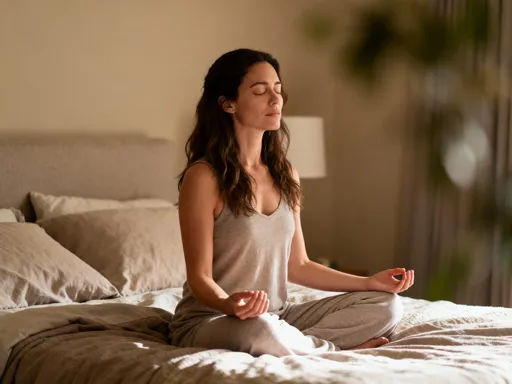
A sample daily blueprint might begin with a morning wake-up flow: five minutes of gentle stretching or deep breathing while still in bed, followed by a few cat-cow motions on the floor. This signals the spine to move after hours of stillness. Then, instead of sitting down immediately for breakfast, take a short walk around the house or step outside for fresh air. These small actions jumpstart circulation and prepare the body for the day.
During the day, midday resets can counteract the effects of sitting. Set a timer to stand up every 30–60 minutes. When you do, perform a simple movement: stand on one leg while brushing your teeth, do a few shoulder rolls, or take a short walk to another room. These micro-movements prevent stiffness and improve blood flow. If you work from home, consider walking meetings—taking phone calls while pacing—or using a standing desk for part of the day. Even small changes, like parking farther away or taking the stairs instead of the elevator, add up over time.
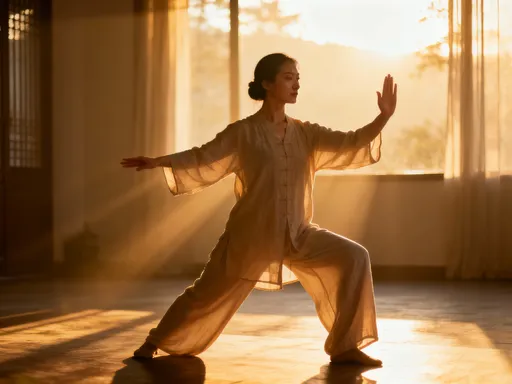
In the evening, a wind-down routine helps the body transition to rest. This might include gentle stretching, lying on the floor with legs up the wall, or practicing slow, controlled movements like tai chi. These activities calm the nervous system and improve sleep quality. The key is consistency, not duration. Five minutes of intentional movement several times a day is more effective than one long session once a week.
Tools can support this process. Use habit stacking—pairing movement with existing habits—such as doing calf raises while waiting for the kettle to boil or wall sits while folding laundry. Design your environment to encourage movement: keep a pair of walking shoes by the door, place a small mat in the living room for stretching, or use a timer app to remind you to move. The more accessible movement is, the more likely you are to do it. Focus on progress, not perfection. Some days will be more active than others. The goal is to build a pattern that lasts a lifetime.
Real Fixes for Common Age-Related Aches
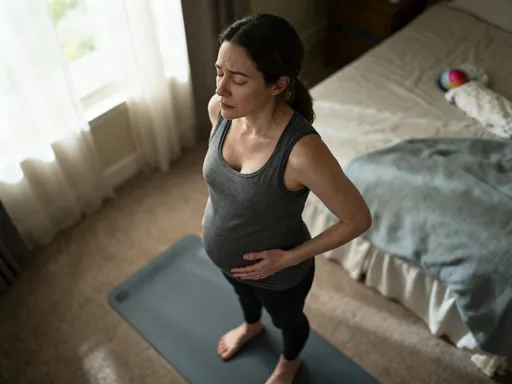
Many women in their 40s, 50s, and beyond experience common discomforts—knee pain when climbing stairs, tightness in the lower back, stiff shoulders that make dressing difficult. These are not just signs of aging. They are often the result of movement patterns that have gone uncorrected for years. The good news is that most of these issues can be improved with simple, science-backed adjustments.
Knee discomfort is often linked to weak glutes and tight hip flexors. When the hips don’t move properly, the knees take on extra stress. A simple fix is to practice the hip hinge—a movement that bends at the hips, not the spine. Instead of bending over with a rounded back, push the hips back as if closing a door with your rear. This engages the hamstrings and glutes, reducing strain on the knees. Pair this with gentle step-ups or mini-squats to strengthen the muscles around the knee joint.
Lower back tightness is frequently caused by prolonged sitting and poor posture. The spine is designed to move, but sitting compresses the discs and weakens the core. To counter this, incorporate regular spinal mobility drills—like seated twists or lying knee drops—into your day. Strengthen the deep core muscles with pelvic tilts or gentle bridges. When lifting objects, use the legs, not the back. Keep the object close to the body and maintain a neutral spine.
Shoulder stiffness often results from rounded shoulders and forward head posture. To improve this, practice scapular setting—gently pulling the shoulder blades down and back, as if tucking them into back pockets. Do this while sitting, standing, or walking. Add gentle arm circles and wall slides to restore range of motion. Avoid extreme stretches or jerky movements, which can irritate already sensitive tissues.
In all cases, control is more important than reps. Perform movements slowly and with awareness. Pain is not a signal to push through—it’s a warning to stop and reassess. If a movement causes sharp or increasing discomfort, modify it or skip it. Movement should feel nourishing, not punishing. Over time, these small corrections lead to significant improvements in comfort and function.
Tracking Progress Beyond the Mirror
Success in aging well cannot be measured by weight or appearance alone. The real victories are functional: getting off the floor easily, carrying a suitcase without strain, playing with grandchildren without fatigue. These are the signs that your movement practice is working. To track progress, use simple, meaningful benchmarks.
Try the sit-to-stand test: sit in a chair, cross your arms, and stand up and sit down five times as quickly as possible. Improved speed indicates better leg strength and coordination. Test your balance by standing on one leg for 30 seconds. Can you do it with your eyes open? Closed? Progress here reflects better neural control. Check shoulder mobility by reaching one hand behind your back and the other up from below—can your fingers get closer over time?
Also track non-physical indicators: energy levels, sleep quality, mood, and confidence in movement. Do you feel more alert during the day? Do you sleep more soundly? Are you less afraid of falling? These are powerful signs of progress. Keep a journal or voice notes to record small wins—like walking farther without stopping or standing up from the floor unassisted. These moments matter more than any number on a scale.
Over time, you’ll notice a shift—not just in how you move, but in how you feel. Movement becomes easier. Tasks feel lighter. Life feels more within reach. That’s the real measure of success.
Making It Last: How to Stay Motivated for Life
Motivation naturally fades. Life gets busy. Energy dips. The secret to lasting change is not willpower—it’s habit design. Build movement into your identity by linking it to values that matter deeply. Maybe it’s staying independent, traveling the world, or being present for family. When movement is tied to purpose, it becomes non-negotiable.
Social connection also fuels consistency. Walk with a friend, join a gentle fitness class, or set shared goals with a partner. Moving with others increases accountability and joy. It turns exercise into time well spent, not time lost.
Setbacks are normal. There will be days when you don’t move as planned. The key is to return without guilt. Perfection is not the goal. Consistency over time is. Focus on the next right choice, not the last missed one.
Remember, this is not a temporary fix. It’s a lifelong promise to move with purpose. Every small action adds up. Over years, it reshapes how you age. You’re not just adding days to your life—you’re adding life to your days.
Move Now, Age Differently
Intentional movement has the power to transform aging. It’s not about reversing time, but about changing its course. By focusing on strength, mobility, balance, and endurance, you build a body that remains capable, comfortable, and confident. The daily sum of small movements—standing, stretching, walking, balancing—creates a lifetime of freedom. You hold the most powerful anti-aging tool: your body in motion. Start where you are. Move with meaning. Age on your terms.