Why I Started Moving Differently — My Intro to Balancing Energy the TCM Way
Have you ever felt tired even after resting? I did — until I discovered how Traditional Chinese Medicine (TCM) views movement not just as exercise, but as energy tuning. Unlike Western workouts focused on intensity, TCM emphasizes harmony. This shift changed how I feel every day. No extreme routines, no burnout — just gentle, purposeful motion that supports the body’s natural rhythm. What I learned wasn’t about pushing harder, but about listening deeper. It wasn’t about counting reps or tracking heart rate zones, but about restoring balance. This is the story of how I began to move differently — and how it quietly transformed my energy, mood, and overall well-being.
The Aha Moment: When Rest Wasn’t Enough
For years, I believed I was doing everything right. I slept seven to eight hours a night, drank enough water, and ate balanced meals with plenty of vegetables and lean protein. Yet, I often woke up feeling heavy, as if my body was dragging through molasses. By mid-afternoon, a wave of fatigue would crash over me, no matter how much coffee I drank. Naps helped temporarily, but the exhaustion always returned. I visited my doctor, who ran blood tests. Everything came back normal. There was no thyroid issue, no anemia, no hormonal imbalance — at least not by conventional medical standards. I was labeled 'healthy,' yet I didn’t feel healthy at all.
Then, during a routine visit to an integrative wellness clinic, I met a practitioner trained in Traditional Chinese Medicine. After listening to my symptoms — fatigue, occasional bloating, low motivation, and trouble concentrating — she didn’t order more tests. Instead, she asked me about my daily movement habits. When I admitted I spent most of my day sitting — working at a desk, commuting, watching TV — she nodded thoughtfully and said, 'Your Qi is likely stagnant.' At first, I wasn’t sure what she meant. Qi, pronounced 'chee,' is the vital life force in TCM that flows through the body along pathways called meridians. When Qi moves freely, we feel energized and clear. When it becomes blocked or stagnant, fatigue, discomfort, and emotional imbalances can arise.
She explained that even with good sleep and nutrition, lack of mindful movement could disrupt the smooth flow of Qi. Unlike Western medicine, which often separates physical symptoms from emotional or energetic states, TCM sees the body as an interconnected system. Inactivity wasn’t just a lifestyle choice — it was a contributor to my low energy. The idea was startling: maybe I wasn’t lazy because I was tired — I was tired because I wasn’t moving in a way that supported my body’s energy. That conversation was my turning point. I began to see movement not as a chore or a punishment for eating too much, but as a form of nourishment, like food or rest. The goal wasn’t to burn calories, but to unblock and circulate my internal energy.
TCM 101: What Is “Balancing Energy” Anyway?
To understand how movement affects energy in TCM, it helps to grasp a few foundational concepts. The first is Qi, the subtle energy that animates all living things. In TCM, Qi flows through a network of channels called meridians, each connected to specific organs and bodily functions. When Qi flows smoothly and in balanced amounts, the body functions optimally. When it’s deficient, excessive, or blocked, disharmony arises — not just physically, but emotionally and mentally. For example, sluggish Qi in the digestive system may lead to bloating and poor appetite, while stagnant Liver Qi might contribute to irritability or mood swings.
Another core principle is the balance of Yin and Yang. Yin represents stillness, coolness, and nourishment — like rest, sleep, and internal repair. Yang represents activity, warmth, and outward expression — like movement, metabolism, and alertness. Health, in TCM, is not about maximizing one over the other, but about maintaining dynamic equilibrium. A person who is overly active — constantly pushing, exercising hard, and burning energy — may deplete their Yin, leading to burnout or insomnia. On the other hand, someone who is too sedentary may accumulate excess Yin, resulting in lethargy, coldness, and stagnation. The ideal is a rhythm that honors both rest and motion in proper measure.
The organs in TCM are more than physical structures — they are functional systems that govern specific aspects of health. For instance, the Spleen in TCM is responsible for transforming food into usable energy and distributing it throughout the body. If the Spleen Qi is weak — often due to poor diet or inactivity — a person may feel chronically fatigued or mentally foggy. The Liver, meanwhile, ensures the smooth flow of Qi and emotions. When Liver Qi becomes stagnant — commonly from stress or lack of movement — it can lead to frustration, tension, and even physical discomfort like headaches or menstrual irregularities. Movement, in this context, isn’t just about fitness; it’s about supporting these organ systems and keeping energy circulating.
Unlike the Western model, which often treats symptoms in isolation, TCM looks at the whole person. A headache isn’t just a problem in the head — it could be related to Liver Qi stagnation, dehydration, or even emotional stress. Similarly, low energy isn’t just a sign of needing more sleep — it could indicate a deeper imbalance in Qi flow. This holistic perspective changed how I viewed my fatigue. It wasn’t just a personal failing or a mystery to be endured — it was a signal from my body that something was out of alignment. And the solution wasn’t more caffeine or stricter diets, but a gentler, more intentional way of moving.
Movement vs. Exercise: A Mindset Shift
One of the most profound changes in my journey was shifting from thinking about 'exercise' to thinking about 'movement.' In Western culture, exercise is often associated with effort, intensity, and measurable outcomes — how many calories burned, how fast you ran, how much weight you lifted. The goal is usually improvement: stronger muscles, a leaner body, better endurance. While these goals have value, they can also create pressure. Many women I know, especially in their 30s to 50s, feel guilty for not working out enough or for not pushing themselves hard enough. But in TCM, the emphasis isn’t on achievement — it’s on harmony.
TCM doesn’t measure success by sweat or soreness. Instead, it values how movement makes you feel during and after. Does it leave you energized or drained? Calm or agitated? In TCM, excessive or overly strenuous exercise can actually deplete Qi, especially if the body isn’t ready for it. This is particularly true for women, whose energy systems are naturally more fluid and sensitive to stress and overexertion. Pushing too hard can weaken the Spleen and Kidney Qi, leading to fatigue, hormonal imbalances, and longer recovery times. That doesn’t mean intense workouts are bad — they can be beneficial when appropriate — but they aren’t the only path to health, and they certainly aren’t the only way to support energy balance.
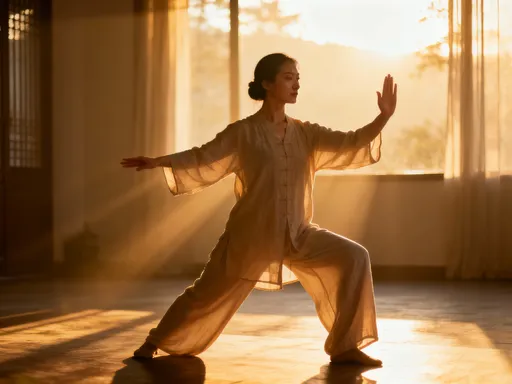
Gentle, rhythmic movement — such as slow stretching, mindful walking, or Qi Gong — is often more effective at promoting Qi circulation than high-intensity interval training. These practices work with the body’s natural rhythms rather than against them. They encourage deep breathing, relaxed muscles, and mental focus, all of which support the free flow of energy. In TCM, the best kind of movement is one that feels nourishing, not depleting. It’s not about how much you do, but how well you do it. The idea is to move in a way that feels sustainable, calming, and aligned with your body’s current state. This doesn’t mean being passive — it means being intentional.
Three Foundational Practices I Actually Stick To
After learning about TCM principles, I wanted to find practices I could realistically incorporate into my daily life. I didn’t want to add another chore to my schedule — I wanted something that felt good and fit naturally into my routine. Over time, I settled on three simple, effective habits that I’ve maintained consistently.
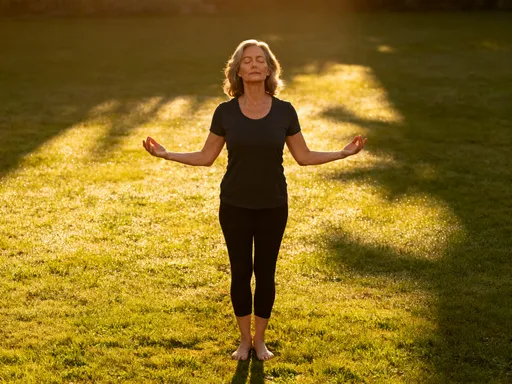
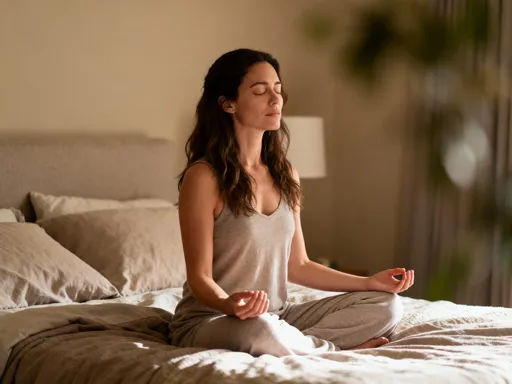
The first is a gentle morning Qi Gong routine. I start with five to ten minutes of slow, flowing movements as soon as I wake up. I stand barefoot on a mat, take deep breaths, and move through a sequence that includes lifting the arms like gathering energy, swaying side to side, and pressing the palms together in front of the chest. These movements aren’t athletic — they’re meditative. I focus on my breath and the sensation of energy moving through my body. Within minutes, I feel more awake and centered. Research has shown that Qi Gong can reduce stress, improve balance, and enhance quality of life, especially in middle-aged and older adults. For me, it’s become a non-negotiable part of my morning — not because it’s hard, but because it’s nourishing.
The second practice is walking with awareness. I still walk for exercise, but now I do it differently. Instead of rushing to hit 10,000 steps, I slow down and pay attention to my posture, my breath, and the rhythm of my steps. I walk with my shoulders relaxed, my spine tall, and my gaze soft. I notice how each foot connects with the ground and how my arms swing naturally. This mindful walking helps regulate my nervous system and keeps my Qi flowing smoothly throughout the day. I often do this during short breaks at work or after meals, which also supports digestion — another key function in TCM.
The third practice is simple self-massage and stretching based on meridian pathways. Before bed, I spend five to ten minutes massaging key acupressure points — like the space between my eyebrows (Yintang), the inside of my wrists (Pericardium 6), and the arches of my feet (Kidney 1). I also stretch gently along the sides of my body, which follow the Gallbladder and Liver meridians. These areas often feel tight, especially after long periods of sitting. This routine helps release tension, calm my mind, and prepare my body for restful sleep. It’s not complicated, but it’s powerful — and it only takes a few minutes.
What Changed After 6 Weeks? Real Effects, No Hype
I didn’t expect dramatic changes overnight, but after about six weeks of consistent practice, I began to notice real shifts. The most immediate improvement was in my sleep. I used to wake up once or twice during the night, often feeling restless. Now, I sleep more deeply and wake up feeling more refreshed. I also noticed better digestion — less bloating, more regular bowel movements, and fewer moments of post-meal fatigue. In TCM, the Spleen and Stomach are responsible for transforming food into energy, and gentle movement helps this process run smoothly.
My energy levels throughout the day became more stable. The afternoon slump that used to hit around 3 p.m. became much milder, and sometimes didn’t happen at all. I didn’t need coffee to stay alert — I just felt naturally more present. My mental clarity improved, too. I could focus better on tasks, remember details more easily, and felt less overwhelmed by daily responsibilities. Emotionally, I felt calmer. I noticed fewer mood swings and a greater sense of inner peace. When stress did arise, I handled it more gracefully — not by pushing through, but by pausing and breathing, which helped me regain balance.
These changes weren’t due to drastic lifestyle overhauls. I didn’t change my diet significantly, nor did I start running marathons. The difference came from moving in a way that supported my body’s energy rather than depleting it. It was a subtle shift, but its effects were profound. I began to trust my body’s signals more — if I felt tired, I rested. If I felt restless, I moved. This intuitive approach, rooted in TCM wisdom, helped me develop a more compassionate relationship with myself.
Common Missteps Beginners Make (And How to Avoid Them)
When I first started, I made a few mistakes — mostly because I was still thinking in terms of Western fitness goals. One of the biggest was trying to do too much too soon. I thought that if five minutes of Qi Gong was good, twenty must be better. But after a few days of longer sessions, I felt more tired, not less. I realized I was forcing it, not flowing with it. In TCM, progress isn’t measured by duration or intensity — it’s measured by how you feel. Starting small — even two or three minutes a day — is more effective than pushing yourself to exhaustion. Consistency matters more than quantity.
Another mistake was confusing soreness with progress. In Western exercise culture, sore muscles are often seen as a sign of a good workout. But in TCM, discomfort after movement can indicate that you’ve disrupted your Qi flow or strained your body. Gentle movement should leave you feeling relaxed and energized, not stiff or achy. If a practice causes pain or leaves you drained, it’s likely too much for your current state. Listening to your body is essential — and that means honoring fatigue, not fighting it.
I also overlooked the importance of breath and posture. At first, I focused only on the movements, but I wasn’t breathing deeply or aligning my body properly. Once I started paying attention to how I breathed — slow, deep, and rhythmic — and how I held my spine and shoulders, the quality of my practice improved dramatically. In TCM, breath is closely linked to Qi. Shallow breathing restricts energy flow, while deep abdominal breathing supports it. Similarly, poor posture can block meridians and create tension. These small details make a big difference in how movement affects your energy.
How to Start Your Own TCM-Inspired Movement Routine
Starting doesn’t have to be complicated. The key is to begin with something small and sustainable. I recommend building a 10-minute daily ritual that fits your real life. It could be five minutes of Qi Gong in the morning, followed by five minutes of mindful walking or stretching. The goal isn’t perfection — it’s consistency. Even two or three times a week can make a difference. Choose a time that works for you — right after waking, during a lunch break, or before bed — and attach the practice to an existing habit, like brushing your teeth or making tea, to help it stick.
As you move, tune into your body’s signals. Notice how you feel during and after. Are you more alert? Calmer? Do you feel tension releasing? In TCM, the body speaks through sensations — warmth, tingling, relaxation, or even slight discomfort. These are clues about your energy flow. If a movement feels good, do more of it. If it feels straining, ease back. This isn’t about pushing limits — it’s about cultivating awareness. Over time, you’ll develop an intuitive sense of what your body needs on any given day.
If you’re dealing with chronic fatigue, pain, or other health concerns, it’s wise to consult a licensed TCM practitioner. They can assess your specific energy imbalances and recommend personalized practices, such as acupuncture, herbal support, or tailored movement routines. While self-practice is valuable, professional guidance can deepen your understanding and ensure you’re moving in a way that truly supports your health. Remember, TCM is not a quick fix — it’s a lifelong approach to well-being rooted in balance, awareness, and self-care.
This journey isn’t about transforming into an athlete — it’s about redefining movement as a form of self-care rooted in ancient wisdom. By aligning with TCM principles, even small actions can create lasting shifts in energy and well-being. The goal isn’t perfection, but harmony.