How I Finally Found Relief: My Real Journey to Better Joint Health and Everyday Freedom
Have you ever woken up feeling like your body’s hinges are rusty? I did—morning stiffness, creaky knees, and that fear of stairs became my normal. For years, I thought it was just aging. But when simple walks turned painful, I knew something had to change. This isn’t about quick fixes or miracle cures. It’s about real, science-backed steps I took to regain comfort, mobility, and the joy in everyday movement—because joint health isn’t just about joints. It’s about living fully.
The Wake-Up Call: When Joint Discomfort Changed My Daily Life
It started subtly—a stiffness in my knees when I stood up after sitting too long, a faint ache in my hips when I climbed the basement stairs. At first, I brushed it off as normal wear and tear. After all, I was in my late 40s, and everyone I knew complained about similar things. But over time, the discomfort grew from occasional to persistent. Mornings became a ritual of slow stretching just to stand upright. I avoided bending down to tie my shoes, opting instead for slip-on shoes. Even grocery shopping, once a simple errand, turned into a test of endurance.
What alarmed me most wasn’t the pain itself, but the shrinking of my world. I declined invitations to walk in the park with friends. I hesitated before joining my children in the backyard, worried about kneeling or squatting. The fear of falling or not being able to get up easily crept into my mind. I realized I was no longer just managing discomfort—I was adjusting my life around it. That was the turning point. I understood that what I had dismissed as aging might actually be an early signal from my body, one that deserved attention, not resignation.
Many people ignore early joint symptoms because they assume joint pain is an inevitable part of getting older. While aging does affect joint structure and function, chronic discomfort is not a mandatory life sentence. Stiffness that lasts more than 30 minutes in the morning, reduced range of motion, or pain that flares with weather changes are not just inconveniences—they are messages. These signals often indicate underlying inflammation or cartilage breakdown, processes that can be slowed or managed with the right approach. Delaying care can allow minor issues to progress into more serious limitations, making recovery harder down the line.
Understanding Joint Health: What Your Body Is Actually Telling You
To make informed choices, I began learning how joints actually work. Joints are more than just bones meeting—they are complex structures involving cartilage, synovial fluid, ligaments, and tendons. Cartilage acts as a cushion between bones, absorbing shock and allowing smooth movement. Synovial fluid lubricates the joint, reducing friction. When this system functions well, movement feels effortless. But when cartilage wears down or inflammation disrupts fluid balance, every motion can become a source of discomfort.
Inflammation plays a central role in joint health. While acute inflammation is part of the body’s natural healing process, chronic low-grade inflammation can damage joint tissues over time. This type of inflammation may be triggered by repetitive strain, excess weight, poor diet, or autoimmune responses. Unlike a sudden injury, this damage accumulates silently, often without dramatic symptoms until significant wear has occurred. Understanding this helped me see that joint pain wasn’t just mechanical—it was also biochemical.
The impact of joint health extends far beyond the affected area. When knees or hips hurt, posture changes. You may shift your weight unevenly, leading to strain in the back or shoulders. Reduced mobility affects balance, increasing the risk of falls. Over time, avoiding movement can weaken supporting muscles, creating a cycle of stiffness and instability. The truth is, joint health is deeply connected to overall independence. The ability to stand, walk, bend, and reach without hesitation is foundational to daily life. Protecting it isn’t just about comfort—it’s about maintaining the freedom to do what matters most.
Movement Myths Busted: Why Rest Isn’t Always the Answer
When joint pain first flared, my instinct was to rest. I avoided stairs, limited walking, and spent more time sitting. I thought I was protecting my joints. But the opposite happened—my stiffness worsened. This paradox confused me until I learned that joints thrive on movement. Unlike machines that wear out with use, human joints depend on motion to stay nourished. Synovial fluid circulates most effectively when joints are in motion, delivering nutrients to cartilage and removing waste products. Without regular movement, this fluid becomes stagnant, and cartilage can begin to deteriorate.
Research consistently shows that gentle, consistent activity supports joint health. A study published in the journal *Arthritis & Rheumatology* found that individuals with knee osteoarthritis who engaged in moderate walking and strength training experienced less pain and better function than those who remained sedentary. The key is consistency, not intensity. High-impact exercise may not be suitable for everyone, but low-impact activities like walking, swimming, or cycling can provide significant benefits without straining joints.
My turning point came when I committed to a daily 15-minute walk, rain or shine. At first, it was slow and cautious. But within weeks, I noticed my morning stiffness easing. My knees felt looser, and climbing stairs became less daunting. This small habit proved that movement wasn’t the enemy—it was the medicine. I also added gentle range-of-motion exercises, like seated knee lifts and ankle circles, which further improved flexibility. The lesson was clear: while rest has its place during acute flare-ups, long-term joint health depends on staying active in smart, sustainable ways.
Daily Habits That Make a Difference: Small Shifts, Big Results
As I focused on movement, I also examined my daily habits. I realized that joint health isn’t shaped by exercise alone—it’s influenced by how we sit, stand, eat, and sleep. One of the first changes I made was improving my posture. I adjusted my office chair so my feet rested flat on the floor and my knees were level with my hips. I set a timer to stand and stretch every hour. These small adjustments reduced strain on my lower back and hips, areas that often compensate when joints are compromised.
Ergonomics extended beyond my desk. I became mindful of how I lifted groceries or carried laundry baskets. Instead of twisting my torso, I learned to pivot with my feet. I bent at the knees, not the waist, to protect my spine and hips. Even something as simple as how I got in and out of the car changed—I now swing both legs out together before standing, reducing pressure on my knees. These practices may seem minor, but over time, they significantly reduced joint stress.
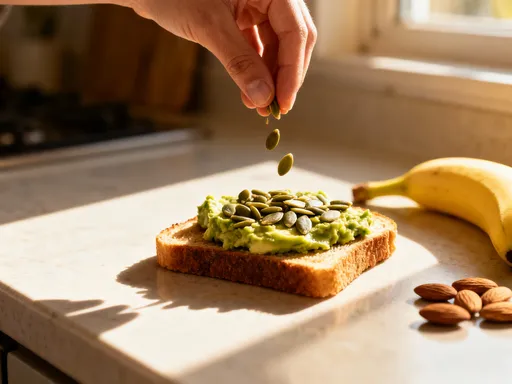
Nutrition also played a crucial role. I began paying attention to foods that influence inflammation. Instead of processed snacks and sugary drinks, I focused on whole foods—colorful vegetables, fatty fish rich in omega-3s, nuts, seeds, and whole grains. I increased my water intake, knowing that hydration supports synovial fluid production. While no single food can reverse joint damage, a balanced, anti-inflammatory diet creates an internal environment where healing is more likely. I also noticed that on days when I slept poorly or felt stressed, my joints ached more. This taught me that emotional well-being and joint comfort are linked. Managing stress through deep breathing, light stretching, or quiet time in the evening helped reduce overall tension in my body.
The Movement Equation: Finding the Right Balance of Strength and Flexibility
As my walking routine improved my stamina, I wanted to build more resilience around my joints. I learned that strong muscles act as natural shock absorbers, reducing the load on joints themselves. For example, the quadriceps and hamstrings support the knees, while the glutes and core stabilize the hips and lower back. Weak muscles force joints to bear more stress, accelerating wear. Strengthening these muscle groups became a priority.
I started with simple bodyweight exercises I could do at home. Wall squats, where I lowered myself slightly while leaning against a wall, helped build leg strength without straining my knees. Step-ups on a low stair improved balance and coordination. I also incorporated seated leg extensions and heel raises to target specific muscle groups. Each exercise was done slowly, with attention to form, to avoid injury. I didn’t push for speed or reps—consistency mattered more than intensity.
Flexibility was equally important. Tight muscles can pull joints out of alignment, increasing friction and discomfort. I added a short stretching routine each morning and evening. I focused on the hamstrings, calves, hip flexors, and shoulders—areas that often tighten with age and inactivity. I used a yoga strap to assist with stretches, making them accessible even when my range was limited. Over time, my flexibility improved, and movements like bending to pick up a dropped pen became easier. The combination of strength and flexibility created a protective framework around my joints, allowing me to move with greater confidence and ease.
When to Seek Help: Navigating Professional Support the Smart Way
While self-care made a big difference, I knew there were limits to what I could do alone. When my shoulder began to ache persistently and my range of motion decreased despite stretching, I decided to consult a physical therapist. This was one of the best decisions I made. A professional assessment ruled out serious conditions and provided clarity on what exercises would be most beneficial. More importantly, it gave me confidence that I wasn’t doing harm.
Physical therapy offered personalized guidance. My therapist observed my movement patterns, identified muscle imbalances, and designed a tailored routine. She corrected my form on exercises I thought I was doing right and introduced tools like resistance bands to gradually increase strength. She also used manual techniques to improve joint mobility, which provided immediate relief. Unlike generic online videos, this approach was specific to my body’s needs.
Seeking help isn’t a sign of failure—it’s an act of wisdom. There are red flags that should prompt professional evaluation: pain that worsens at night, joints that lock or give way, swelling that doesn’t improve, or discomfort that interferes with sleep or daily tasks. A healthcare provider can determine whether symptoms stem from osteoarthritis, tendinitis, bursitis, or another condition, ensuring appropriate care. Imaging tests, blood work, or referrals to specialists may be needed in some cases. The goal isn’t to find a quick fix, but to build a clear, safe path forward based on accurate diagnosis.
Living Fully Again: How Joint Care Transformed My Quality of Life
Today, my mornings no longer begin with dread. I wake up, stretch, and stand—without hesitation. I can walk to the end of the block and back without needing to rest. I’ve returned to hiking on gentle trails, something I thought I’d lost forever. I play on the floor with my grandchildren, building block towers and chasing bubbles, without worrying about how to get up. These moments, once taken for granted, now feel like gifts.
The shift wasn’t just physical—it was emotional. I feel more capable, more present, and more connected to life. I no longer define myself by my limitations. Instead, I see joint care as an ongoing practice of self-respect. It’s not about achieving perfection or returning to youth, but about honoring my body’s needs at every stage. I’ve learned that small, daily actions—drinking enough water, moving consistently, eating well—compound into lasting change.
This journey taught me that joint health is not passive. It requires awareness, effort, and patience. But the rewards are profound: the ability to move freely, to participate fully, to enjoy the simple pleasures of everyday life. I encourage anyone feeling the early signs of joint discomfort to take them seriously. Start with one small step—stretch for five minutes, walk around the block, drink an extra glass of water. Trust that every positive choice adds up. You’re not just caring for your joints—you’re investing in a life of greater freedom, dignity, and joy.
Joint health isn’t just about avoiding pain—it’s about protecting your ability to move, engage, and enjoy life on your terms. My journey taught me that small, informed choices add up. This isn’t a medical cure, but a sustainable way to support your body. By listening to your joints and acting early, you’re not just preserving motion—you’re investing in freedom, one step at a time.