What Aging Backward Feels Like: My Real Journey to Lasting Renewal
I used to think aging was just about adding years—until I started noticing real shifts in how I felt, looked, and moved. This isn’t about turning back time with magic tricks, but making consistent, science-backed choices that support long-term vitality. I’m sharing what actually worked for me, not as a cure, but as a path to better recovery, resilience, and energy. It’s never too late to start, and the body often responds faster than we expect. What began as small adjustments—more water, earlier bedtimes, a daily walk—slowly reshaped my relationship with time. I didn’t look drastically younger, but I felt stronger, clearer, and more capable. That shift, subtle at first, became impossible to ignore. This is not a story of transformation through extremes, but of renewal through consistency.
The Wake-Up Call: Recognizing the Early Signs of Aging
For years, I brushed off the small changes—feeling tired after a short walk, stiffness in the mornings, needing longer to recover from a weekend trip. I told myself it was normal, just part of getting older. But when I found myself skipping activities I once loved—gardening, hiking, even playing with my grandchildren—I realized something had shifted. The fatigue wasn’t just from a busy schedule; it was deeper, more persistent. That was my wake-up call. Aging, I began to understand, isn’t just about wrinkles or gray hair. It’s about function—how easily you rise from a chair, how quickly your body recovers, how much energy you have for the things that matter.
Many of us grow up believing aging is a one-way street—inevitable, linear, and largely out of our control. We accept that our bodies will slow down, that pain and fatigue are just part of the package. But science now shows that while time moves forward, the rate at which we age biologically can vary dramatically based on lifestyle. The difference between someone who feels vibrant at 60 and someone who feels worn down at 50 often comes down to daily habits, not genetics alone. This was a revelation. I wasn’t doomed to decline; I had influence over how my body aged.
The shift in mindset was crucial. Instead of seeing aging as passive, I began to view it as a process shaped by choices—what I ate, how I moved, how I slept, how I managed stress. This doesn’t mean I expected to stop aging altogether. But I realized I could slow the decline, improve my resilience, and maintain a higher quality of life for longer. Early intervention matters because the biological processes behind aging—like inflammation, muscle loss, and cellular wear—start quietly, often before symptoms appear. Addressing them early means preserving function, not just reacting to loss.
For me, the turning point was understanding that aging isn’t just about time—it’s about load. The cumulative load of poor sleep, sedentary habits, processed foods, and chronic stress accelerates biological aging. The good news? These factors are modifiable. By reducing the load, I could give my body a chance to repair, recover, and even regain some lost ground. It wasn’t about perfection, but about consistent, intentional choices that supported my long-term well-being.
Recovery as the New Benchmark: Why It Matters More Than Ever
In the past, I measured fitness by how hard I could push myself—how fast I could walk, how many stairs I could climb. But as I got older, I began to notice something more telling: how long it took to bounce back. Recovery became my new benchmark. Could I walk for an hour and still feel good the next day? Could I travel across time zones and adjust quickly? Could I handle a busy week without crashing? These questions revealed more about my health than any number on a scale or fitness tracker ever did. Recovery is the body’s ability to repair, restore, and rebalance after stress—whether physical, mental, or emotional.
Delayed recovery is one of the earliest signs of biological aging. When muscles take longer to heal, when fatigue lingers, when it’s harder to focus after a long day, these are signals that the body’s repair systems are slowing down. At the cellular level, this involves processes like autophagy—the body’s way of cleaning out damaged cells—and mitochondrial function, which affects energy production. When these systems become less efficient, we feel it in our stamina, mood, and overall resilience. The good news is that these systems can be supported through lifestyle choices. Sleep, nutrition, movement, and stress management all play a role in enhancing the body’s natural recovery mechanisms.
A real-life example for me was travel. In my younger years, I could fly across the country and be productive the next day. Now, without proper preparation, I’d feel drained for days. But when I prioritized hydration, moved my body before and after the flight, and protected my sleep, I noticed a dramatic difference. I could adapt faster, think more clearly, and enjoy the trip without paying for it later. This wasn’t about youth—it was about preparation and recovery. The same applied to exercise. Instead of pushing through soreness, I learned to listen to my body and allow time for repair. Over time, my recovery speed improved, and so did my energy and mood.
Recovery isn’t just about rest—it’s about active regeneration. It’s the time when muscles rebuild, memories consolidate, and inflammation calms. When recovery is efficient, we feel more resilient, more present, and more capable. When it’s impaired, we feel worn down, foggy, and reactive. By making recovery the focus, I shifted from chasing performance to nurturing vitality. This change in perspective didn’t just improve my physical health—it deepened my sense of well-being. I wasn’t just surviving; I was thriving, one recovered day at a time.
The Science of Slowing Down Time: What Actually Works
There’s no single secret to aging well, but science points to a cluster of evidence-based practices that collectively slow biological aging. These aren’t extreme interventions or expensive treatments—they’re foundational habits that support the body’s natural repair systems. At the core are four pillars: quality sleep, consistent movement, whole-food nutrition, and effective stress management. Each plays a distinct role in reducing inflammation, supporting mitochondrial health, and enhancing cellular repair. Together, they create a synergy that amplifies their individual benefits.
Sleep is perhaps the most powerful anti-aging tool we have. During deep sleep, the body repairs tissues, clears metabolic waste from the brain, and balances hormones that regulate appetite, mood, and energy. Chronic sleep deprivation accelerates aging by increasing inflammation and impairing glucose metabolism. Studies show that adults who consistently get 7–9 hours of quality sleep have better cognitive function, stronger immune responses, and lower risk of chronic diseases. For me, prioritizing sleep didn’t just reduce fatigue—it improved my focus, mood, and ability to handle stress.
Movement is another cornerstone. Physical activity boosts circulation, supports joint health, and stimulates the production of mitochondria—the energy factories in our cells. It also enhances insulin sensitivity, which helps regulate blood sugar and reduce fat storage. But it’s not about intensity. Research shows that regular, moderate activity—like walking, strength training, and stretching—has the greatest long-term benefits for longevity. High-intensity workouts can be helpful, but without proper recovery, they can increase oxidative stress and inflammation. The key is consistency, not extremes.
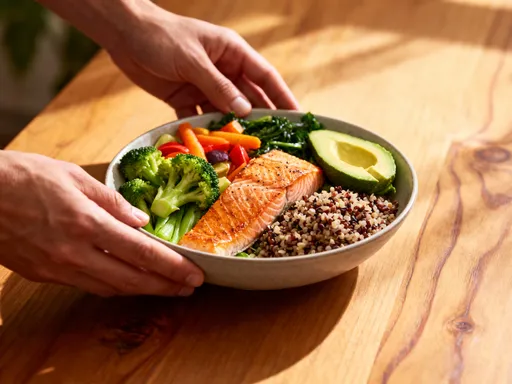
Nutrition plays a critical role as well. A diet rich in whole foods—vegetables, fruits, legumes, nuts, seeds, and lean proteins—provides the antioxidants and phytonutrients that combat oxidative stress. Protein intake, especially at breakfast and after activity, supports muscle maintenance, which naturally declines with age. Hydration is equally important; even mild dehydration can impair cognitive function and physical performance. I found that simply eating more plants and drinking water first thing in the morning made a noticeable difference in my energy and digestion.
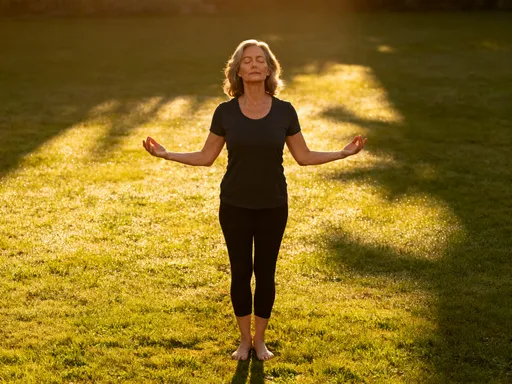
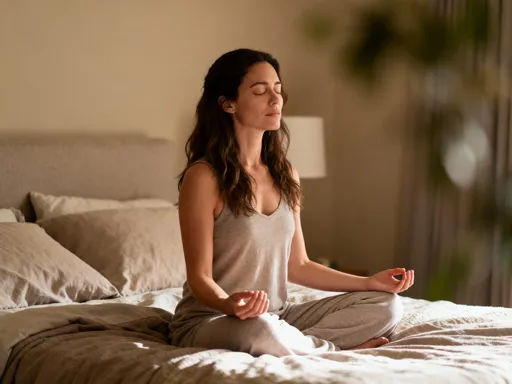
Stress management is often overlooked but equally vital. Chronic stress elevates cortisol, which over time can lead to muscle loss, fat accumulation, and weakened immunity. Practices like mindfulness, deep breathing, and time in nature help regulate the nervous system and reduce the biological burden of stress. I started with just five minutes of mindful breathing each morning, and over time, it became a anchor in my day. These practices don’t stop time, but they create the conditions for the body to age more slowly and more gracefully.
My Daily Non-Negotiables: Simple Habits with Deep Impact
I didn’t transform my health overnight. What worked was building a set of daily non-negotiables—small, sustainable habits that added up over time. These weren’t rigid rules, but consistent choices that supported my energy, recovery, and resilience. The first was hydration. I began each day with a glass of water, often with a slice of lemon. This simple act helped kickstart my metabolism, improve digestion, and reduce morning fatigue. By the time I reached for coffee, I had already given my body what it needed to function.
Morning movement was another key. Instead of jumping into emails or chores, I spent 10–15 minutes moving my body—gentle stretching, a short walk, or a few minutes of deep breathing. This wasn’t about burning calories; it was about signaling to my body that a new day had begun. It improved my circulation, reduced stiffness, and set a calm tone for the hours ahead. I found that even on busy mornings, this small investment paid off in focus and mood.
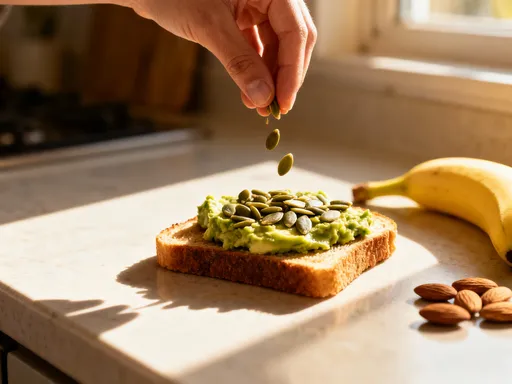
Nutrition was next. I shifted from processed snacks to whole foods—oats with nuts and berries, vegetable soups, grilled fish with roasted vegetables. I paid attention to protein timing, making sure to include it in every meal, especially breakfast. This helped stabilize my blood sugar and preserve muscle mass. I also increased my plant diversity, aiming for a variety of colors on my plate, which ensured a broad range of nutrients. These changes weren’t about restriction; they were about nourishment.
In the afternoon, I built in a reset. A 10-minute walk, a cup of herbal tea, or a few minutes away from screens helped me recharge. This wasn’t a luxury; it was a necessity. Without it, I’d hit a wall by late afternoon, reaching for sugar or caffeine to keep going. With it, I maintained steady energy and avoided the crash. In the evening, I focused on winding down—limiting screens, dimming lights, and practicing relaxation techniques like reading or gentle stretching. A consistent bedtime routine helped me fall asleep faster and stay asleep longer, which in turn improved my recovery and mood the next day.
Movement That Gives Back: Exercise for Longevity, Not Performance
I used to think exercise had to be intense to be effective. I pushed myself to walk faster, lift heavier, go longer. But as I aged, I realized that approach was counterproductive. My body wasn’t recovering well, and I was often sore or fatigued. I shifted my focus from performance to longevity—movement that supported my body rather than strained it. This meant embracing gentler, more sustainable forms of activity that I could maintain for years, not just weeks.
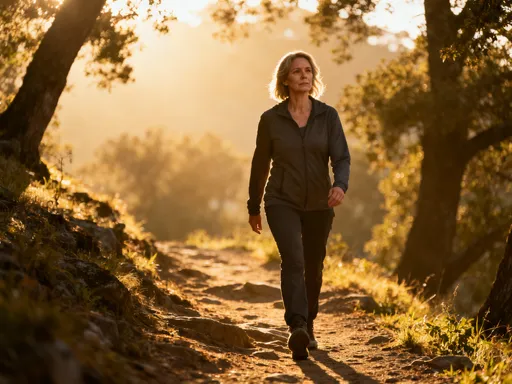
Walking became my foundation. It’s low-impact, accessible, and deeply beneficial. Regular walking improves cardiovascular health, supports joint mobility, and enhances mood through the release of endorphins. I aimed for 30 minutes most days, often broken into shorter walks. I didn’t track steps or pace; I focused on consistency and enjoyment. Walking in nature, especially, had a calming effect that went beyond physical benefits.
Resistance training was another pillar. I started with light weights and bodyweight exercises—squats, lunges, push-ups against the wall. This helped maintain muscle mass, which naturally declines after age 30. Muscle isn’t just about strength; it’s a metabolic organ that helps regulate blood sugar and supports mobility. Even two short sessions a week made a difference in how I felt—stronger, more stable, more capable.
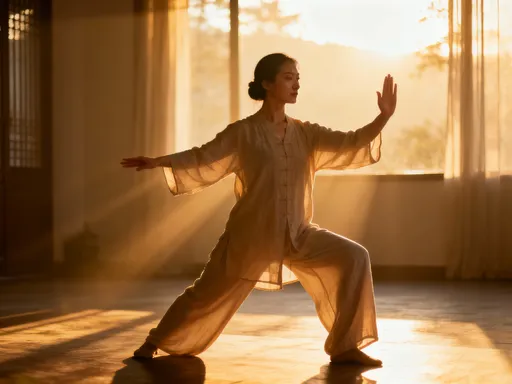
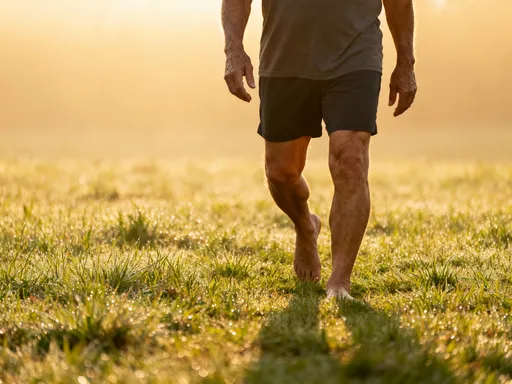
Flexibility and balance work were equally important. I added simple stretches and balance exercises—standing on one leg, heel-to-toe walks—into my routine. These reduced my risk of falls, improved posture, and eased stiffness. Over time, I noticed I could move more freely, get up from the floor more easily, and carry groceries without strain. This wasn’t about achieving peak fitness; it was about preserving function and independence. Movement that gives back—energy, resilience, ease—is the kind worth sustaining.
Listening to the Body: The Art of Rest and Adaptation
One of the most important skills I’ve developed is learning to listen to my body. In the past, I followed rigid schedules—workouts on certain days, meals at set times, sleep goals I tried to hit no matter what. But I’ve learned that health isn’t about adherence to a plan; it’s about responsiveness to how you feel. Some days, I need more rest. Others, I have extra energy and can do more. By tuning in, I’ve avoided burnout and injury, and I’ve built a more sustainable routine.
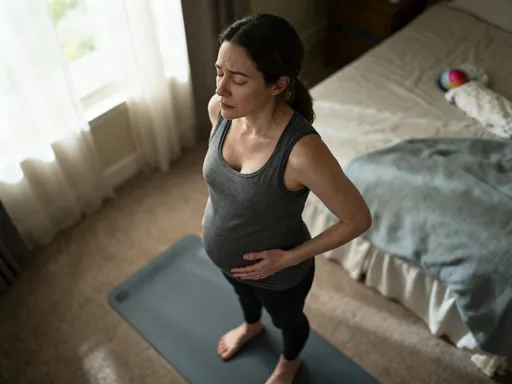
Fatigue, stiffness, irritability, or trouble focusing—are all signals. They don’t mean I’ve failed; they mean my body is asking for something—more sleep, less stress, a gentler workout. I’ve learned to honor those signals instead of pushing through them. Rest days are no longer a sign of laziness; they’re a vital part of the process. Sleep quality, mental downtime, and moments of stillness are just as important as activity. In fact, they’re what make activity possible.
I’ve also learned to adjust my routines based on life’s demands. A busy week might mean shorter walks or simpler meals. A stressful period might call for more mindfulness and less intensity. This flexibility has made my habits more resilient, not less. I’m not aiming for perfection; I’m aiming for consistency with compassion. Building self-awareness has been key. It’s allowed me to make choices that support my long-term health, not just meet short-term goals.
Sustainable Change: Making It Last Without Burnout
Drastic changes rarely last. I’ve tried them—strict diets, intense workout plans, complete lifestyle overhauls. They might work for a few weeks, but eventually, life gets in the way, and I fall back into old patterns. What’s worked instead is focusing on small, sustainable wins. Drinking more water. Walking a little more. Sleeping a little earlier. These tiny shifts, repeated over time, have had a bigger impact than any extreme effort ever did. The key is consistency, not intensity.
I’ve also worked on building an identity around health—not as a goal, but as a way of living. I don’t see myself as someone trying to lose weight or get fit. I see myself as someone who values energy, strength, and well-being. This shift in identity has made healthy choices feel natural, not forced. I eat well because I enjoy how it makes me feel, not because I’m chasing a number. I move because it gives me joy and vitality, not because I have to burn calories.
Patience has been essential. I didn’t expect overnight results, and I didn’t get them. But over months and years, the changes became undeniable. My recovery improved. My energy stabilized. My body felt stronger. I measure progress not by appearance, but by function—how I feel, how I move, how I recover. This has been more motivating than any scale ever was.
Self-compassion has been just as important. There are days I don’t drink enough water, skip a walk, or eat something processed. Instead of guilt, I practice kindness. I remind myself that health is a journey, not a destination. One misstep doesn’t erase progress. What matters is the overall pattern. By being gentle with myself, I’ve been able to stay on track without burnout. This journey has taught me that lasting renewal isn’t about perfection—it’s about persistence, awareness, and care.
This journey wasn’t about chasing youth, but about reclaiming energy, strength, and the ability to live fully at any age. The most powerful changes weren’t flashy—they were daily choices that added up. By focusing on recovery, I discovered a deeper form of anti-aging: one rooted in respect for the body’s wisdom. It’s not about stopping time, but moving through it with strength, clarity, and grace. And the best part? It’s available to anyone willing to start.