How I Upgraded My Daily Energy—The Simple Mineral Shift That Changed Everything
Ever feel like your energy hits a wall by mid-afternoon? I did—until I realized I wasn’t just tired, I was running low on key minerals. It’s not about drastic changes; it’s about smart, simple tweaks. Turns out, the right minerals play a quiet but powerful role in how we feel every day. This isn’t a miracle fix, but a real, science-backed shift that quietly transformed my focus, stamina, and mood. Let me walk you through how something so small made such a big difference in my life.
The Hidden Drain: Why Modern Life Depletes Essential Minerals
Modern living quietly drains our bodies of essential minerals without most of us even noticing. While we may eat regularly, many daily habits and environmental factors contribute to a steady decline in mineral intake. One of the primary culprits is the rise of processed foods. These convenient meals often lack the nutrient density found in whole, unprocessed ingredients. Stripped of their natural fiber and micronutrients during manufacturing, they leave us full—but nutritionally undernourished. Over time, relying on these foods creates a gap between what our bodies need and what we actually consume.
Another overlooked factor is soil depletion. Decades of intensive farming have exhausted many agricultural lands, reducing the mineral content of crops grown in them. Studies suggest that even fresh produce today contains lower levels of essential minerals like magnesium, zinc, and selenium compared to decades ago. This means that a serving of spinach now may not deliver the same nutritional punch it did in the 1950s. While the difference may seem small, over years it accumulates into a meaningful deficit, especially for those who do not actively diversify their diets.
Lifestyle stressors further compound this problem. Chronic stress increases the body’s excretion of magnesium and depletes zinc reserves, both of which are vital for nervous system regulation and immune resilience. Women managing household responsibilities, work demands, and caregiving often experience this subtle but persistent drain. The symptoms—fatigue, difficulty concentrating, irritability, and disrupted sleep—are commonly mistaken for normal aging or burnout, when in fact they may signal a mineral shortfall. Recognizing these signs as potential nutritional clues allows for proactive, informed choices.
Minerals vs. Vitamins: Clearing the Confusion
Many people use the terms vitamins and minerals interchangeably, but they are fundamentally different in origin and function. Vitamins are organic compounds, meaning they are made by living things like plants and animals. Minerals, on the other hand, are inorganic elements that originate in the earth’s crust and enter our bodies through water and plants. Understanding this distinction helps clarify why both are essential—and why one cannot replace the other in maintaining health.
Where vitamins often act as coenzymes to support chemical reactions, minerals serve as structural components and functional facilitators. For example, calcium builds bones and teeth, while iron is a core part of hemoglobin, the protein that carries oxygen in red blood cells. Potassium and sodium work together to regulate fluid balance and nerve signaling. These processes operate continuously in the background, allowing muscles to contract, nerves to fire, and cells to generate energy. Without adequate mineral availability, even the most abundant vitamins cannot perform their roles effectively.
A common misconception is that minerals provide energy directly. They do not. Instead, they enable the biochemical pathways that convert food into usable energy. Think of them as the spark plugs in an engine—they don’t fuel the car, but without them, the engine won’t start. Magnesium, for instance, is involved in over 300 enzyme reactions, including those that produce ATP, the body’s primary energy molecule. When magnesium levels dip, these processes slow down, leading to sluggishness and mental fatigue. Recognizing minerals as enablers rather than sources of energy shifts how we approach nutrition.
The Core Players: Magnesium, Zinc, and Potassium in Daily Life
Among the many essential minerals, magnesium, zinc, and potassium stand out for their direct impact on daily well-being. Each plays a unique yet interconnected role in maintaining physical and mental balance. Magnesium, often called the “relaxation mineral,” supports muscle relaxation, nerve function, and sleep regulation. It helps regulate neurotransmitters like GABA, which calm the brain and prepare the body for rest. Women in their 30s to 50s, especially those navigating hormonal shifts, often find that consistent magnesium intake improves sleep quality and reduces nighttime restlessness.
Zinc is a cornerstone of immune resilience and cellular repair. It supports the development and function of immune cells, helping the body respond effectively to everyday challenges. Beyond immunity, zinc contributes to healthy skin, wound healing, and even taste and smell. Deficiency can lead to frequent colds, slow recovery from minor injuries, and a reduced appetite. Because the body does not store zinc in large amounts, daily intake through diet is crucial. Stress, alcohol consumption, and certain medications can increase zinc excretion, making it especially important for women managing high-pressure lifestyles.
Potassium is essential for maintaining healthy blood pressure and fluid balance. It counteracts the effects of sodium, helping blood vessels relax and reducing strain on the cardiovascular system. Found abundantly in fruits and vegetables, potassium also supports muscle contractions and nerve impulses. Low intake is linked to increased fatigue and muscle cramps, particularly after physical activity. Women who experience bloating or water retention may benefit from boosting potassium-rich foods, which help the body manage sodium levels more effectively. Together, these three minerals form a foundational support system for energy, resilience, and calm.
Why “Just Eat Better” Isn’t Enough—And What to Do Instead
The advice to “just eat better” is well-intentioned but often oversimplified. Even with a diet rich in fruits and vegetables, mineral intake may still fall short due to declining nutrient levels in food. As previously noted, soil depletion has reduced the mineral content of many crops, meaning that eating a salad today may not provide the same nutritional value it once did. Additionally, food processing, storage, and cooking methods can further diminish mineral availability. For example, boiling vegetables can leach potassium and magnesium into the water, which is often discarded.
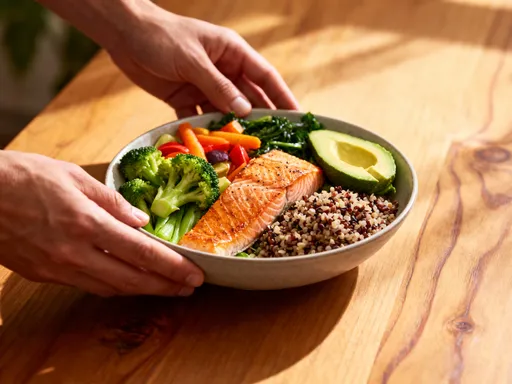
However, there are practical strategies to enhance mineral absorption and retention. One effective approach is food pairing. Combining vitamin C-rich foods—like bell peppers, citrus, or strawberries—with plant-based sources of iron (such as lentils or spinach) significantly improves iron absorption. Similarly, consuming healthy fats like avocado or olive oil with leafy greens helps the body absorb fat-soluble nutrients more efficiently. These small combinations don’t require extra time or effort but can make a meaningful difference in nutrient uptake.
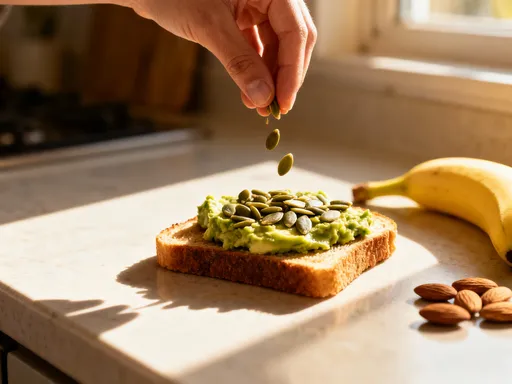
Dietary swaps are another powerful tool. Replacing refined grains with whole grains increases intake of magnesium and selenium. Choosing brown rice over white, or whole grain bread over processed varieties, adds fiber and nutrients back into meals. Incorporating seeds like pumpkin, sunflower, or chia into breakfasts and snacks provides a concentrated source of zinc and magnesium. A tablespoon of pumpkin seeds, for instance, delivers nearly 20% of the daily recommended intake of magnesium. These adjustments are not about perfection but about consistent, incremental improvements that support long-term health.
Simple Swaps, Real Results: My 7-Day Mineral-Boosting Experiment
Determined to see if these changes could make a difference, I embarked on a seven-day experiment focused solely on increasing mineral-rich foods—no supplements, no drastic restrictions. My goal was to integrate more whole foods naturally high in magnesium, zinc, and potassium into my regular meals. Each day began with a small handful of pumpkin seeds stirred into my oatmeal, providing a steady source of magnesium and zinc. At lunch, I made a habit of adding a generous portion of dark leafy greens—kale or spinach—to my salads or soups, knowing they were rich in both magnesium and potassium.
Snacks were reimagined to support mineral intake. Instead of reaching for crackers or sweets, I chose a banana with almond butter or a small handful of mixed nuts. Bananas are a well-known source of potassium, while nuts like almonds and cashews contribute magnesium and trace minerals. I also started keeping sliced avocado on hand, adding it to sandwiches or eating it with a sprinkle of sea salt, which enhanced both flavor and mineral content. Dinner remained largely unchanged, but I made a point to include a side of roasted sweet potatoes or beans, both of which are excellent sources of potassium and magnesium.
By the end of the week, the changes were noticeable. My afternoon energy dips became less severe, and I no longer felt the urge to nap after lunch. My sleep improved—I fell asleep faster and woke up feeling more refreshed. Even my mood felt more stable, with fewer moments of irritability. These shifts weren’t dramatic, but they were consistent. What stood out most was how effortless the changes felt. There was no strict tracking or elimination, just mindful additions that fit naturally into my routine. It proved that sustainable health improvements don’t require extreme measures—just small, intentional choices.
When Food Isn’t Enough: Navigating Supplements Safely
While food should always be the foundation of nutrition, there are times when supplementation may be appropriate. Women with restricted diets, digestive issues, or higher nutrient demands due to stress or life stage may struggle to meet mineral needs through food alone. For example, those following a plant-based diet may need additional zinc due to lower absorption from plant sources. Older adults may experience reduced stomach acid, which impairs mineral absorption, particularly of magnesium and zinc. In such cases, a targeted supplement can help bridge the gap.
However, supplementation should never be approached casually. Minerals interact with each other and with medications, and excessive intake can lead to imbalances. For instance, too much zinc can interfere with copper absorption, while high-dose magnesium supplements may cause digestive discomfort. This is why it is essential to consult a healthcare provider before starting any new supplement. A simple blood test can identify deficiencies and guide appropriate dosing, ensuring that supplementation is both safe and effective.
When a supplement is recommended, choosing the right form matters. Not all mineral supplements are created equal. Magnesium glycinate is often better tolerated than magnesium oxide, which can cause loose stools. Zinc picolinate or citrate tends to have higher bioavailability than zinc sulfate. Reading labels and selecting reputable brands that undergo third-party testing can help ensure quality and purity. The goal is not to replace food but to complement it—filling specific gaps without overloading the system.
Building a Mineral-Smart Lifestyle: Small Steps, Lasting Gains
Sustainable health is built on consistency, not perfection. The goal is not to overhaul your diet overnight but to adopt small, repeatable habits that support long-term well-being. One effective strategy is weekly meal prep that includes mineral-rich staples. Cooking a batch of quinoa or brown rice at the start of the week provides a ready base for meals high in magnesium. Roasting a tray of sweet potatoes or beets adds potassium-rich options for quick sides. Keeping a jar of mixed seeds on the counter makes it easy to sprinkle them on yogurt, salads, or soups.
Snacking smart is another opportunity. Pre-portioned bags of nuts and dried fruit (without added sugar) offer a convenient, nutrient-dense option. Hard-boiled eggs, cottage cheese, or hummus with vegetable sticks provide protein and minerals in one go. These choices not only support energy levels but also reduce reliance on processed convenience foods. Over time, these small decisions compound, creating a lifestyle that naturally supports better nutrition.
Better mineral intake is not about chasing the latest health trend. It’s about honoring the body’s basic needs and supporting the life you already live—managing a household, staying active, maintaining relationships, and finding moments of peace. When your cells have the minerals they need, everything from focus to mood to physical stamina becomes more manageable. These tiny nutrients may be overlooked, but their impact is profound. By making mindful, science-backed choices, you’re not just eating better—you’re living better.
Improving your mineral intake doesn’t require a complete diet overhaul. It’s about making mindful, sustainable choices that align with how your body actually works. These tiny shifts can lead to clearer thinking, steadier energy, and a stronger sense of well-being—proof that sometimes, the smallest nutrients make the biggest difference.