What If Your Skin’s Healing From Within Was the Real Secret?
What if the key to glowing skin isn’t another serum, but how well your body repairs itself? I used to chase quick fixes—until I realized true skin transformation starts beneath the surface. Science shows that skin health is deeply tied to internal repair processes like cell renewal and inflammation control. This isn’t about perfection; it’s about supporting your body’s natural ability to heal. Here’s what actually works.
The Hidden Link Between Skin and Body Repair
Skin is more than a surface—it’s a mirror of what’s happening inside the body. When dark circles deepen after a sleepless week, or breakouts flare during stressful times, the message is clear: internal imbalance shows up first on the skin. This connection isn’t just anecdotal; it’s rooted in biology. The skin is the largest organ, and like all organs, it depends on the body’s ability to repair damaged cells, regulate inflammation, and maintain structural integrity through collagen and elastin production.
Processes like cellular turnover, where old skin cells are shed and replaced by new ones, are part of a continuous internal maintenance system. In youth, this cycle runs smoothly, typically renewing the skin every 28 days. But as life demands increase and lifestyle choices accumulate, this rhythm slows. Without addressing the root causes—such as poor nutrition, chronic stress, or disrupted sleep—topical treatments can only offer temporary improvements. A moisturizer may smooth dryness, but it won’t fix the dehydration caused by insufficient water intake or hormonal fluctuations.
Consider the example of someone juggling work, family, and personal responsibilities. Over time, fatigue builds, meals become irregular, and sleep suffers. The first visible signs often appear on the face: dullness, fine lines, and increased sensitivity. These aren’t just cosmetic concerns—they’re signals that the body’s repair systems are overwhelmed. Supporting these internal functions doesn’t promise overnight perfection, but it creates the foundation for lasting resilience. When the body is equipped to heal, the skin reflects that strength naturally.
Why Modern Skincare Misses the Point
The beauty industry thrives on solutions that promise visible results fast—creams that blur pores, serums that brighten tone, and treatments that mimic professional results at home. While some products deliver short-term benefits, they often fail to address why skin issues arise in the first place. The focus tends to be on concealment rather than correction. A concealer hides redness, but it doesn’t reduce the inflammation driving it. An anti-aging cream may plump lines temporarily, but it won’t reverse the slowdown in collagen synthesis caused by internal aging processes.
Research increasingly shows that chronic low-grade inflammation, oxidative stress, and hormonal shifts play a major role in conditions like acne, rosacea, and premature aging. These factors originate internally and are influenced by diet, sleep, and emotional well-being. No amount of topical vitamin C can fully counteract the damage caused by years of poor sleep or a high-sugar diet. Similarly, while sunscreen protects against UV damage, it doesn’t support the skin’s ability to repair DNA damage that still occurs despite protection.
Moreover, the sheer volume of products in many routines can sometimes do more harm than good. Over-cleansing, over-exfoliating, or layering too many active ingredients may disrupt the skin’s natural barrier, leading to increased sensitivity and reactivity. The irony is that the pursuit of flawless skin can weaken the very system meant to protect and renew it. True skin health isn’t about adding more steps—it’s about creating internal conditions where the skin can function optimally on its own. This shift in perspective moves the focus from external correction to internal support, where lasting change begins.
How Your Body Naturally Repairs Itself (And Why It Slows Down)
The human body is designed to heal. Every day, millions of cells undergo repair or replacement through processes like autophagy—where damaged components are cleared out—and DNA damage response, which fixes genetic errors before they lead to dysfunction. These mechanisms are especially active during rest, working silently to maintain tissue health, including the skin. Think of it like a nightly cleanup crew: while you sleep, your body removes cellular debris, repairs structural proteins, and resets inflammatory signals.
One of the most important repair systems is cellular turnover. In younger years, this process runs efficiently, ensuring a fresh layer of skin cells rises to the surface regularly. But around the age of 30, this cycle begins to slow. By the 40s and 50s, it can take 45 days or longer for new cells to reach the surface. This slowdown contributes to dullness, uneven texture, and a loss of radiance. The cause isn’t just time—it’s how lifestyle choices impact these biological functions. Chronic stress, poor diet, and lack of sleep all suppress the body’s natural repair capacity.
Environmental stressors like pollution, UV exposure, and blue light from screens add to the burden, increasing oxidative stress that damages cells faster than they can be replaced. Hormonal changes, particularly during perimenopause and menopause, further affect skin thickness, moisture retention, and elasticity. The result is a system that’s working harder but achieving less. The good news is that these processes aren’t fixed. While aging is inevitable, the rate at which repair declines can be influenced. Supporting the body’s innate ability to regenerate doesn’t require extreme measures—it starts with consistent, everyday habits that give the body the resources it needs to keep healing.
Nutrition: The Fuel for Deep Repair
If the body is a repair machine, then food is its fuel. The nutrients you consume directly influence how well tissues heal, how resilient the skin barrier is, and how effectively inflammation is managed. Protein, for example, provides the amino acids necessary for collagen and elastin production—two proteins essential for firm, supple skin. Without adequate intake, the body struggles to maintain structural integrity, leading to sagging and slower wound healing.
Omega-3 fatty acids, found in fatty fish, flaxseeds, and walnuts, play a critical role in reducing inflammation. Studies have shown that higher intake of omega-3s is associated with decreased severity of acne and improved skin hydration. These fats also support the lipid layer of the skin, helping to prevent moisture loss and protect against environmental irritants. Unlike synthetic occlusives in creams, these benefits come from within, reinforcing the skin’s natural defenses.
Antioxidants—such as vitamins C and E, selenium, and polyphenols—neutralize free radicals generated by UV exposure and pollution. Vitamin C, in particular, is involved in collagen synthesis and can enhance skin brightness when consumed regularly. Instead of relying on a vitamin C serum alone, eating a variety of colorful fruits and vegetables ensures a broad spectrum of protective compounds. Berries, leafy greens, bell peppers, and sweet potatoes are all rich sources that contribute to skin health without the risk of overuse or irritation.
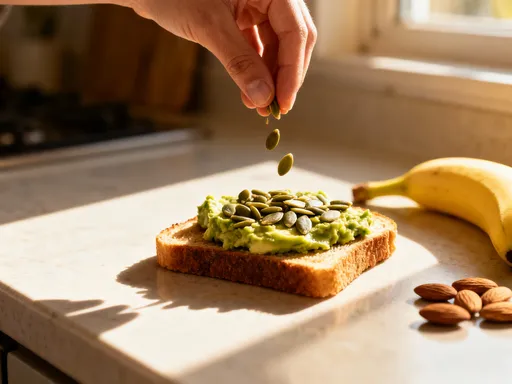
Whole foods are superior to supplements for most people because they deliver nutrients in balanced, bioavailable forms. A supplement might provide isolated vitamin E, but a handful of almonds offers not only vitamin E but also healthy fats, fiber, and other micronutrients that work synergistically. Practical shifts—like adding a serving of vegetables to every meal, choosing whole grains over refined carbs, and including a source of healthy fat at each meal—can have a measurable impact over time. These changes don’t promise instant transformation, but they create the internal environment where skin can thrive.
Sleep and Recovery: When Your Skin Does Its Best Work
Sleep isn’t downtime—it’s peak repair time. During deep sleep, the body increases blood flow to the skin, delivering oxygen and nutrients needed for regeneration. Growth hormone levels rise, supporting collagen production and tissue repair. At the same time, cortisol—the stress hormone that breaks down skin proteins—drops to its lowest levels. This nightly reset is essential for maintaining elasticity, hydration, and clarity.
Poor sleep quality disrupts this process. Research shows that even a few nights of disrupted sleep can lead to increased signs of aging, such as fine lines, uneven pigmentation, and reduced skin barrier function. One study found that poor sleepers had slower recovery from UV damage and higher levels of inflammation compared to those who slept well. This means that even with sunscreen and serums, the skin’s ability to heal is compromised without adequate rest.
Hydration is also closely tied to sleep. During the night, the skin loses water through evaporation. Without sufficient recovery, the barrier can’t retain moisture effectively, leading to dryness and flakiness by morning. This is why many people notice their skin looks duller after a restless night, regardless of their skincare routine. Supporting sleep hygiene isn’t just about duration—it’s about quality. Simple strategies like reducing screen time one hour before bed, keeping the bedroom cool and dark, and avoiding heavy meals late in the evening can improve sleep depth.
Stable blood sugar levels also play a role. Eating a balanced dinner with protein, fiber, and healthy fats helps prevent nighttime glucose spikes and crashes, which can disrupt sleep cycles. Some women in their 40s and 50s report waking between 2 and 3 a.m., often linked to hormonal shifts affecting blood sugar and cortisol. Addressing these patterns with dietary and lifestyle adjustments can lead to better sleep and, consequently, better skin. Viewing rest as an active part of a beauty routine shifts the focus from what you apply to what you allow your body to do naturally.
Movement and Circulation: Awakening the Body’s Repair Mode
Physical activity is a powerful but often overlooked tool for skin health. Movement increases circulation, which means more oxygen and nutrients are delivered to skin cells. It also supports lymphatic drainage, the system responsible for removing waste and toxins from tissues. Unlike the circulatory system, which has a pump (the heart), the lymphatic system relies on muscle contractions to keep fluid moving. Without regular movement, this system can become sluggish, contributing to puffiness, especially around the eyes and face.
You don’t need intense workouts to see benefits. Consistent, moderate activity—like a daily 30-minute walk, gentle yoga, or stretching—can make a meaningful difference. These activities improve blood flow without spiking cortisol, which can happen with excessive or overly strenuous exercise. High cortisol levels over time can break down collagen, increase oil production, and worsen conditions like acne and rosacea. The goal is not to push the body but to support its natural rhythms.
Many women find that incorporating movement into their daily routine helps reduce bloating and improves skin tone. A morning walk in natural light also helps regulate circadian rhythms, which in turn supports better sleep and hormone balance. Stretching, particularly in the evening, can signal the body to relax, preparing it for rest and repair. Over time, these small habits contribute to a clearer complexion, reduced puffiness, and a healthier glow.
The key is consistency, not intensity. A 20-minute walk most days is more beneficial than an hour-long workout once a week. The cumulative effect of daily movement supports the body’s ability to maintain balance, heal efficiently, and keep skin looking vibrant. When movement is viewed not as a chore but as a form of self-care, it becomes easier to sustain—and the skin reflects that care.
Mindset and Stress Management: The Silent Healer
Stress may be invisible, but its effects on the skin are unmistakable. Chronic stress keeps the body in a state of heightened alert, releasing cortisol and other stress hormones that trigger inflammation and suppress repair processes. This physiological response was designed for short-term survival, not long-term activation. Yet for many women balancing family, work, and personal goals, stress is a constant companion—and the skin pays the price.
Elevated cortisol increases oil production, which can clog pores and lead to breakouts. It also weakens the skin barrier, making it more susceptible to irritation and sensitivity. Studies have shown that individuals under high stress report more frequent acne flare-ups and slower healing of skin injuries. Conditions like eczema and psoriasis, which are linked to immune dysregulation, can also worsen during stressful periods.
The good news is that stress reduction techniques can reverse these effects. Mindfulness practices, such as focused breathing or guided meditation, have been shown to lower cortisol levels and reduce inflammation. Even taking a few minutes each day to pause, breathe deeply, and reset can shift the body from survival mode to healing mode. This doesn’t require hours of meditation—small moments of stillness, like sipping tea without distractions or stepping outside for fresh air, can be effective.
Establishing daily routines that include breaks, even short ones, helps create mental and physical space for recovery. Research suggests that regular breathing exercises can improve heart rate variability, a marker of resilience, and support overall well-being. When the nervous system is calmer, the body can redirect energy toward repair and maintenance. This internal shift may not be visible immediately, but over time, it translates into fewer breakouts, less redness, and a more balanced complexion. Healing begins when the body feels safe enough to rest and renew.
Putting It All Together: A Realistic Approach to Lasting Skin Health
Glowing skin isn’t the result of a single product or habit—it’s the outcome of a body that’s consistently supported. The internal processes of repair, renewal, and balance work best when nutrition, sleep, movement, and emotional well-being are aligned. No one habit can compensate for the absence of the others. A perfect diet won’t override chronic sleep deprivation, just as daily exercise can’t fully counteract unmanaged stress. Lasting skin health comes from integration, not isolation.
Progress, not perfection, should be the goal. Small, sustainable changes—like drinking more water, adding one extra serving of vegetables, walking 15 minutes a day, or setting a bedtime routine—are more effective in the long run than drastic overhauls that are hard to maintain. The body responds to consistency. Over weeks and months, these habits build a foundation where repair can thrive, and the skin reflects that inner strength.
It’s also important to redefine what beauty means. True radiance isn’t about covering flaws or erasing signs of age—it’s about honoring the body’s ability to heal and renew. When you support your internal health, you’re not just improving your skin; you’re nurturing your overall well-being. This approach fosters a deeper connection between self-care and self-respect, where looking good becomes a natural byproduct of feeling good.
The real secret to skin health has never been hidden in a jar. It’s in the choices you make every day—the foods you eat, the rest you allow yourself, the way you move, and how you manage stress. These are the quiet, powerful forces that shape your skin from within. And when you align with them, you’re not just caring for your appearance. You’re honoring the remarkable, resilient system that is your body.